Aiquile
Cochabamba Department · Culture and history
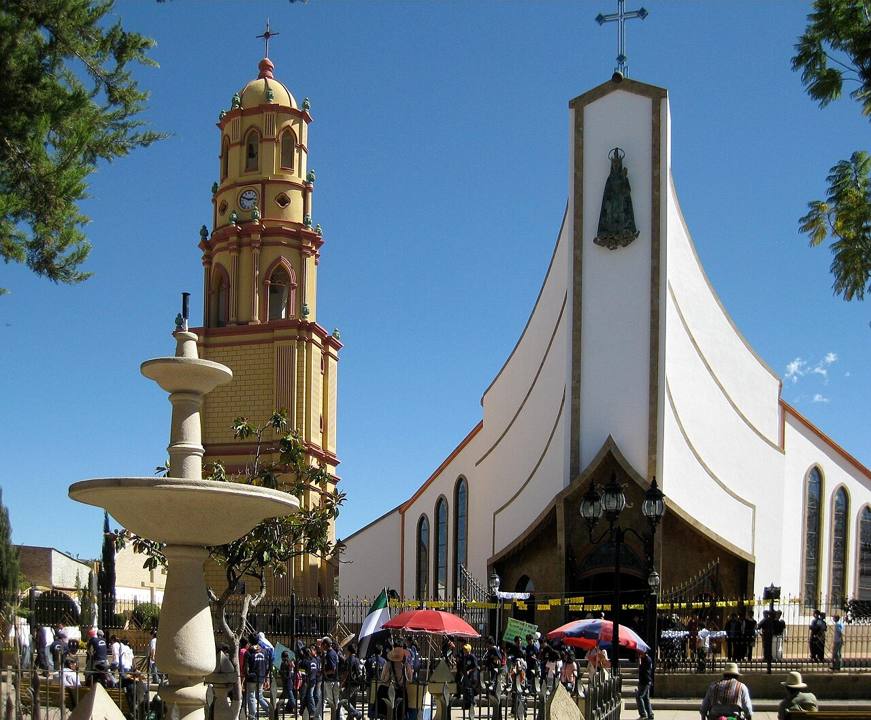
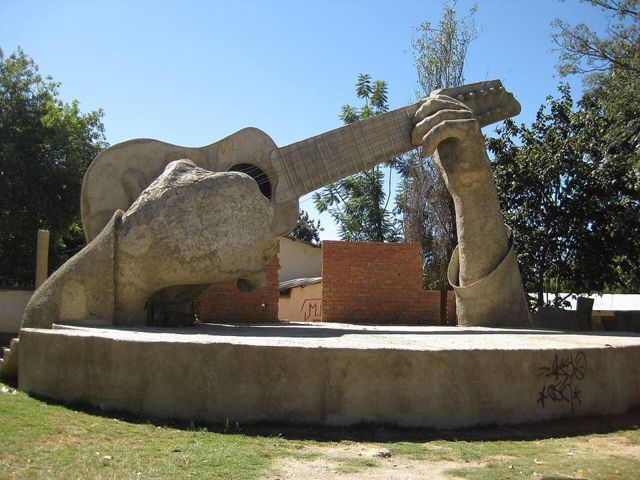
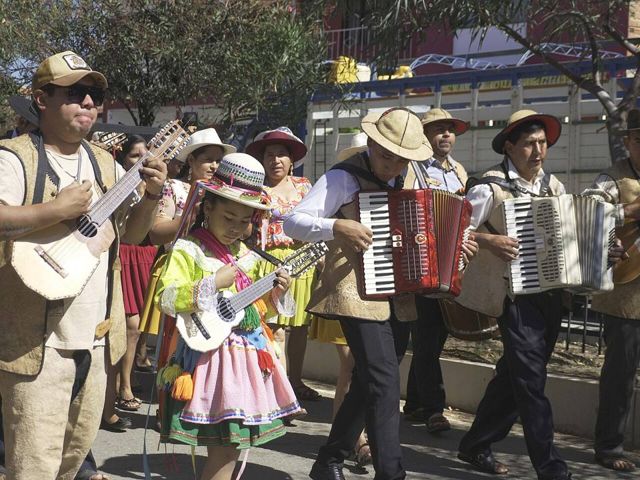
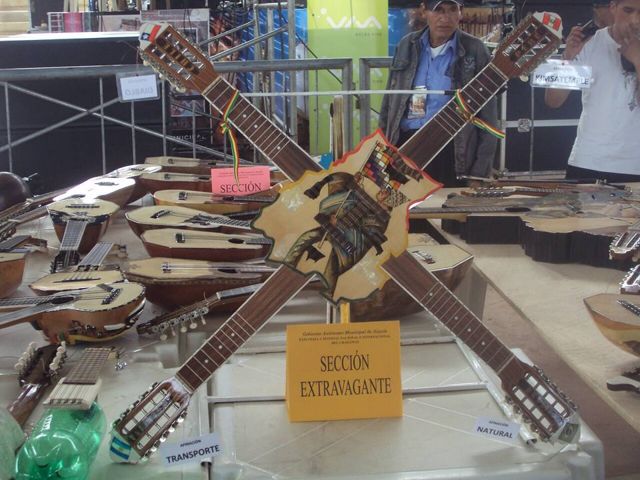
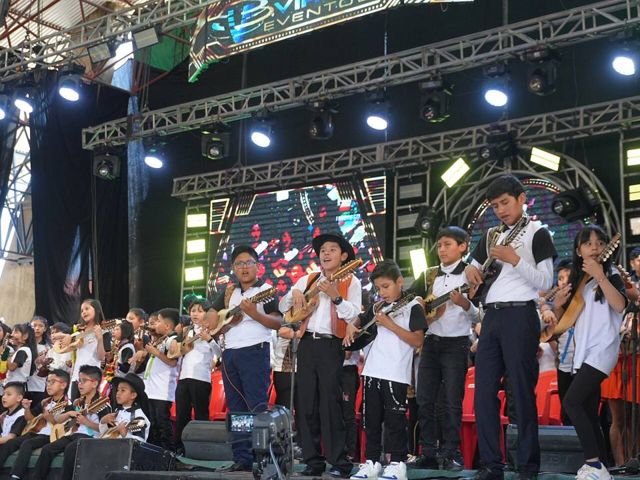
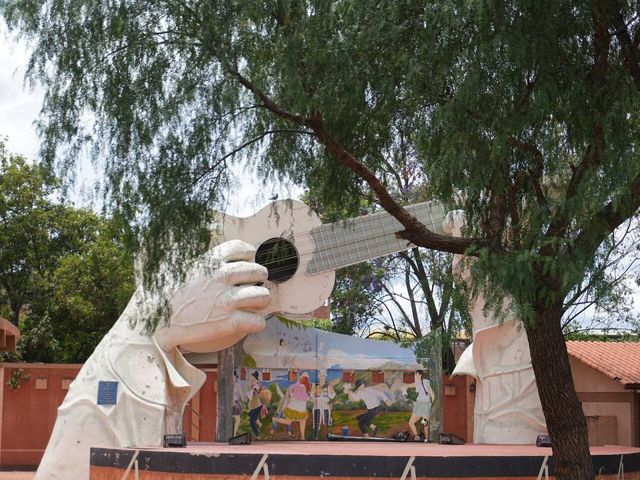
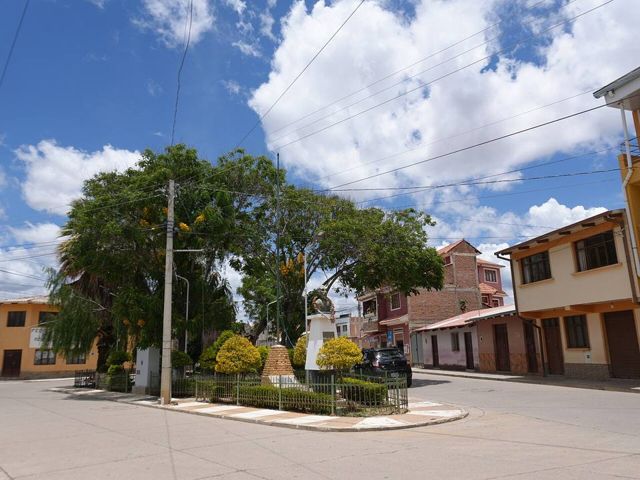
Aiquile is a small, warm and dry valley town in the south of Cochabamba department. It is known across the country as the national capital of the charango, the small ten-string Andean guitar: its luthiers have made them for generations, and there's a museum devoted to it. In early November, the International Charango Fair and Festival brings together musicians and makers from all over Bolivia. A pleasant, very local stop on the road between Cochabamba and Sucre.
2,240 maltitude
1 dayto spend there
Things to do
- National Charango Museum
- Luthiers' workshops (you can order a charango)
- The Charango Fair and Festival, early November
- Cathedral and main square
What to eat
- Picante mixtoA plate of several meats (chicken, tongue, beef) in chilli sauce, with chuño and rice. For chilli lovers.
- ChicharrónPork cooked slowly in its own fat until golden, served with mote (big corn kernels) and chuño. A Sunday dish.
- ChichaFermented corn beer, slightly sour, served in gourds (tutumas). Look for chicherías marked with a white flag.
Tip. Few tourists and simple lodging. For the festival, book early and check the dates with the town hall.
Also here
- Festivals Aiquile charango festivalIn early November, musicians and luthiers from all over Bolivia meet in the charango capital for competitions and concerts.
- Crafts and markets Aiquile charangosThe small ten-string Andean guitar, made by Aiquile's luthiers. You can order one made to measure.
How to get to Aiquile
Mizque Road (bus, car) · 1 h 30
Minibus or bus.
Cochabamba Road (bus, car) · 4 to 5 h
Buses and minibuses from Cochabamba, a few departures a day.
Sucre Road (bus, car) · 5 to 6 h
Cochabamba – Sucre buses pass through Aiquile: ask to get on or off.
Photos of Aiquile






More places in this region
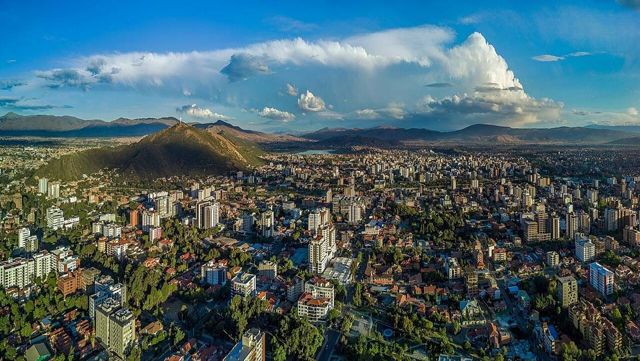 CochabambaThe “city of eternal spring” and the food capital of the country.
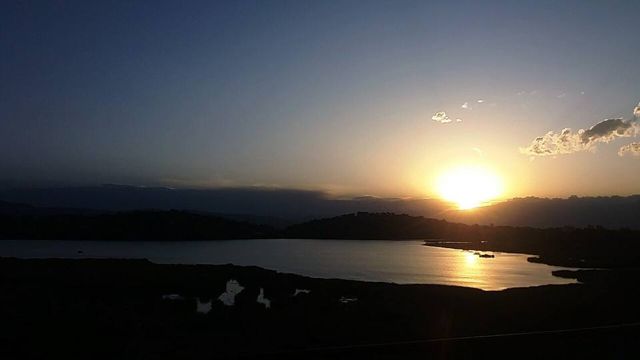 Laguna AlalayA large lagoon in the heart of Cochabamba, a bird refuge below the hills.
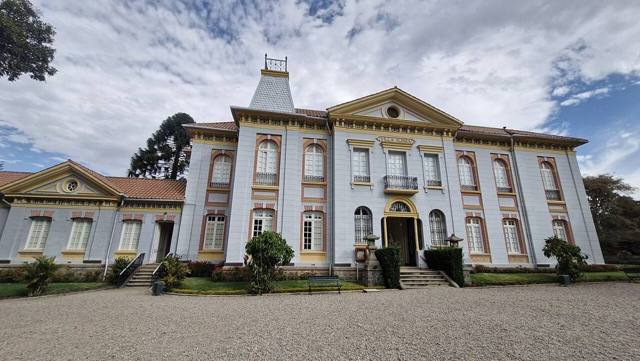 Pairumani and Villa AlbinaThe villa of tin baron Simón Patiño, its gardens, and the start of a trail to the Tunari.
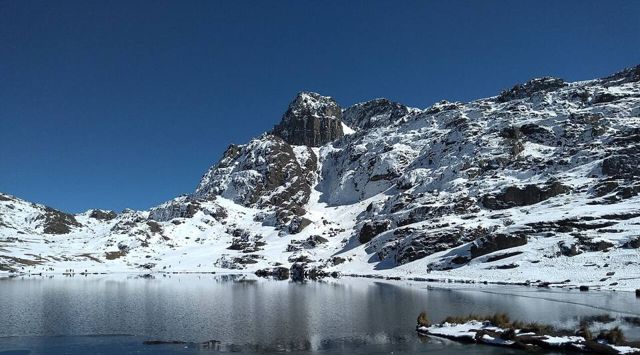 Tunari National ParkThe mountains right above the city: high lagoons and the Tunari summit (5,035 m).
- Apote and its twin waterfallsA mountain valley above Tiquipaya, with two waterfalls side by side and trails towards the Tunari.
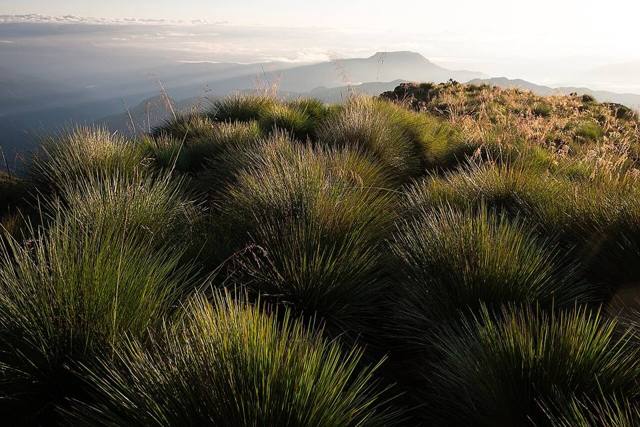 YungapampaA refuge above a sea of clouds, on the north side of the Tunari, Andean bear country.
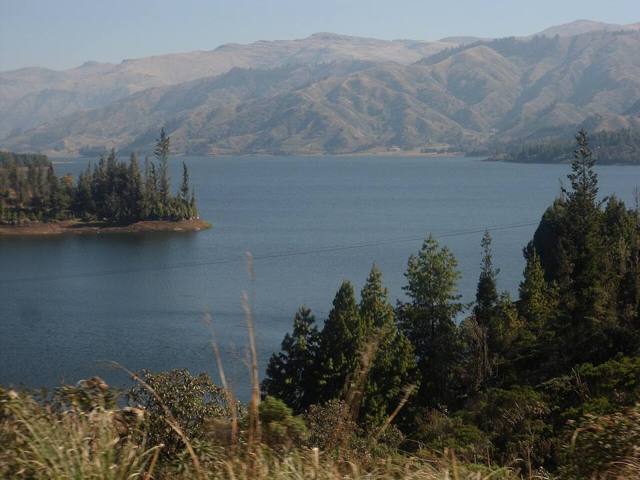 Laguna CoraniA large reservoir among pine forests and mountains, known for its trout.
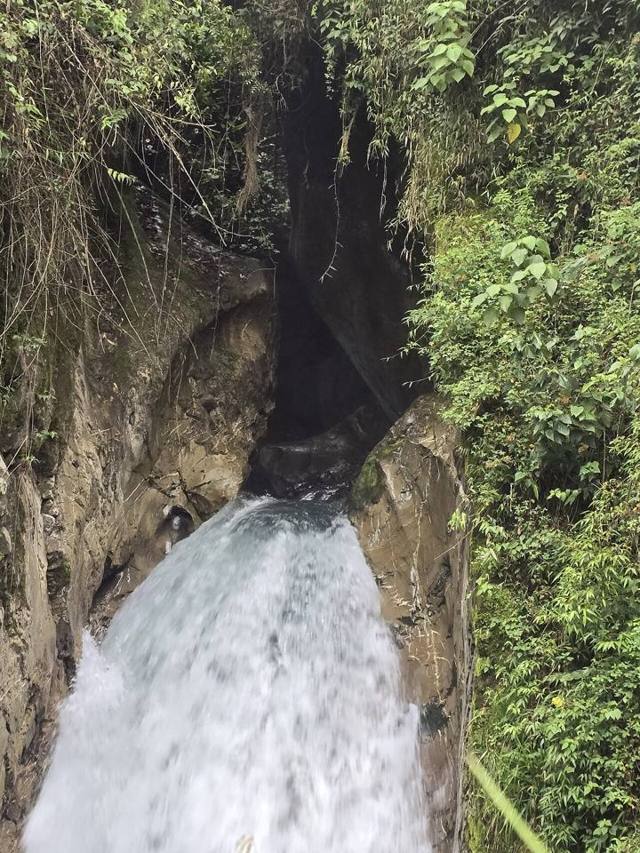 IncachacaA cloud forest at the edge of the Chapare, with an Inca bridge, waterfalls and an old power plant.
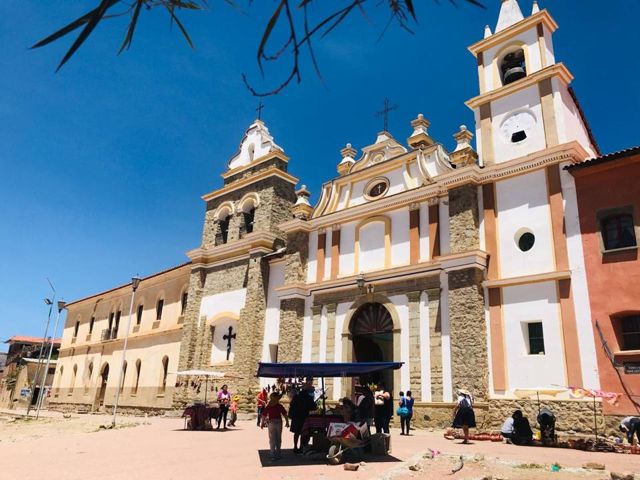 Valle Alto: Tarata and ClizaColonial valley villages, markets and chicha.
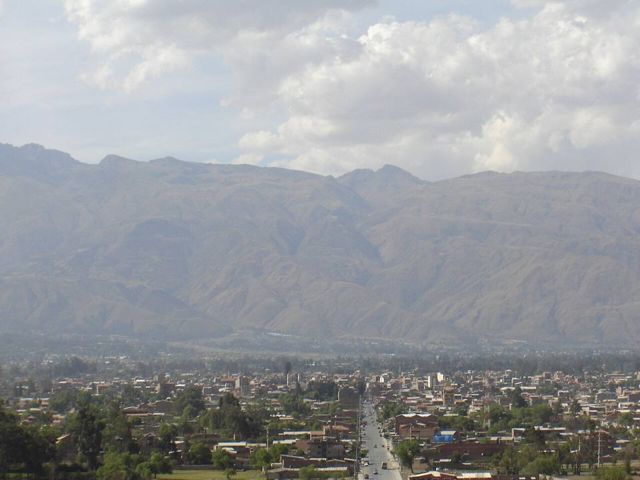 Quillacollo and Inca RakayInca ruins perched above Sipe Sipe, and Quillacollo, home of the Urkupiña festival.
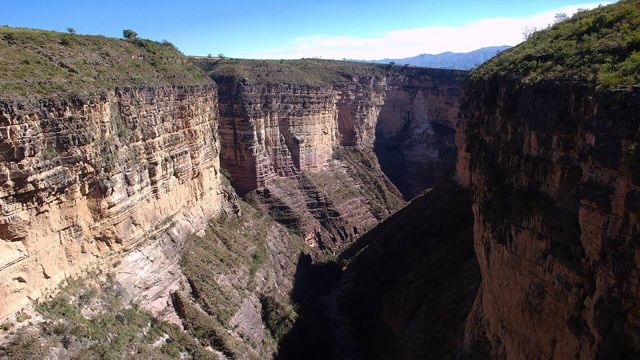 Torotoro National ParkDinosaur footprints, a spectacular canyon and the Umajalanta cave.
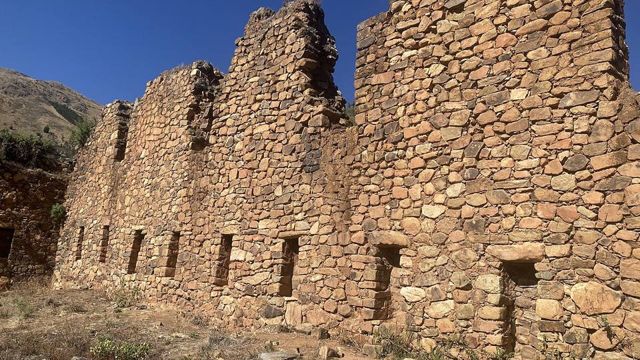 IncallajtaThe largest Inca site in Bolivia, in a remote valley.
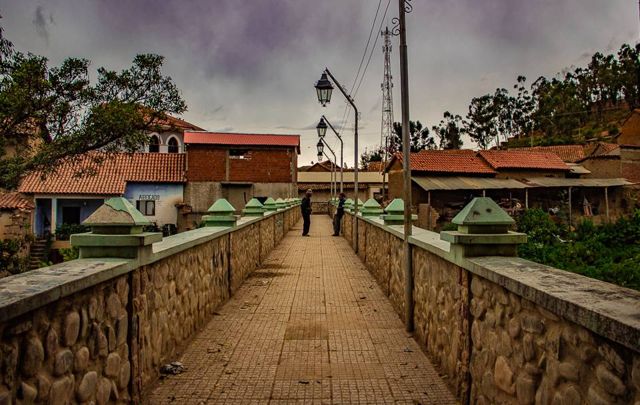 TotoraA small, well-preserved colonial village on the old road to Santa Cruz.
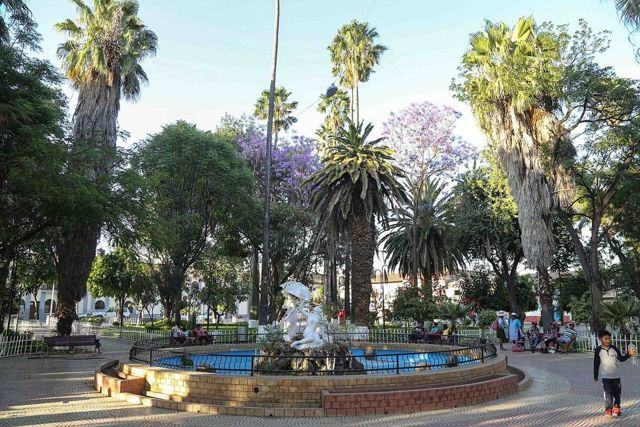 MizqueA colonial village in a warm valley, home of the red-fronted macaw.