Incachaca
Cochabamba Department · Nature and hiking
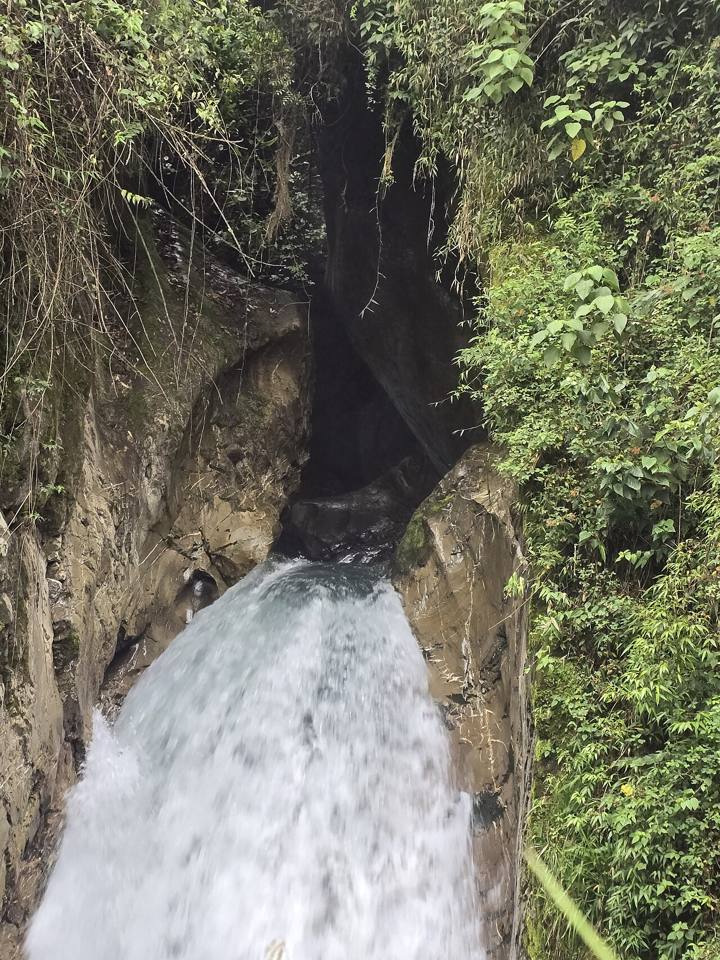
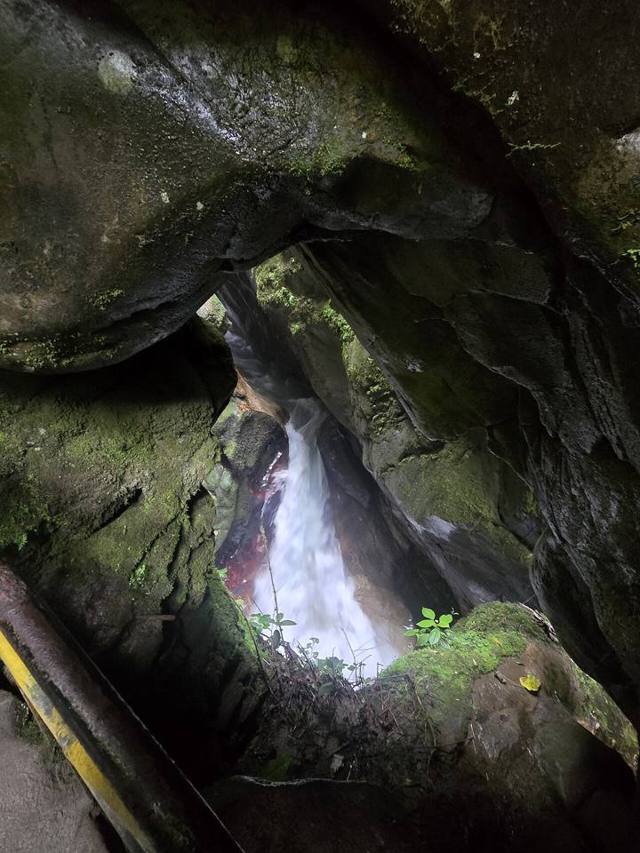
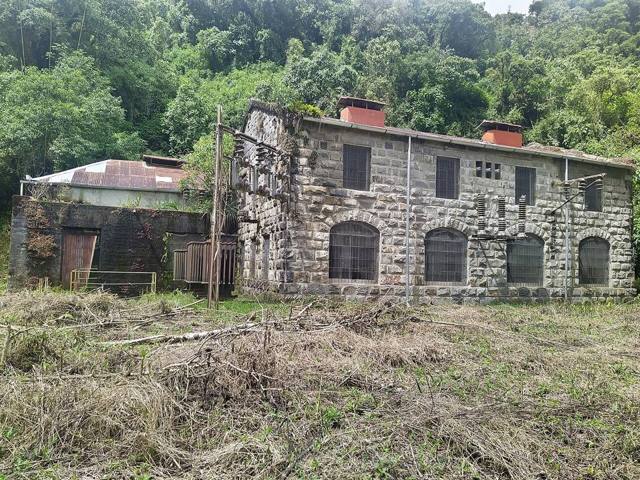
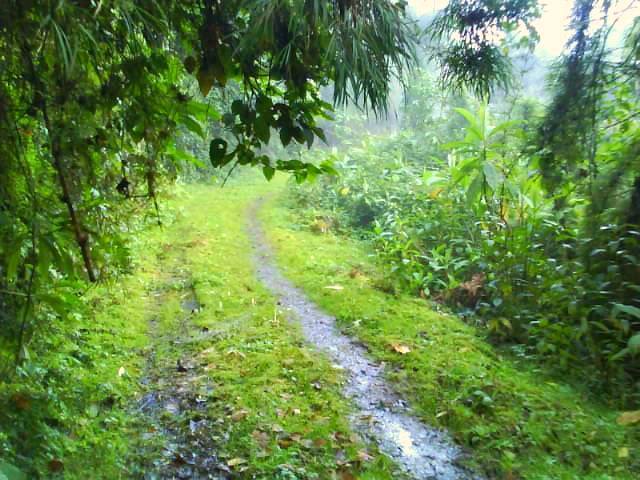
Incachaca ("the Inca's bridge" in Quechua) hides in the humid forest that drops from Corani towards the Chapare. A trail links the remains of an Inca path, with its steps and bridge, the Velo de Novia (bridal veil) waterfall and the Ventana del Diablo, a pierced rock looking onto the Garganta del Diablo falls. It also passes the Casa de Máquinas, the 1940 hydroelectric plant left in the vegetation. About fifty families look after the trails and guide visitors.
2,400 maltitude
1 dayto spend there
Things to do
- The Inca bridge and steps
- Velo de Novia waterfall and Ventana del Diablo
- The ruins of the 1940 hydroelectric plant
- Zip line and abseiling with the community guides
What to eat
- TroutTrout from Lake Titicaca or the Cordillera rivers, fried or grilled, with rice, fries and salad. Eaten on the beach in Copacabana and in the small restaurants of mountain villages.
Tip. About 80 km from Cochabamba, by car or on a tour, often with Corani on the same day. It rains a lot: shoes with grip and a rain jacket. The Chapare road can be blocked, so check the day before.
How to get to Incachaca
Corani Road (bus, car) · about 30 min
Car or tour, on the track that goes down from the dam.
Photos of Incachaca



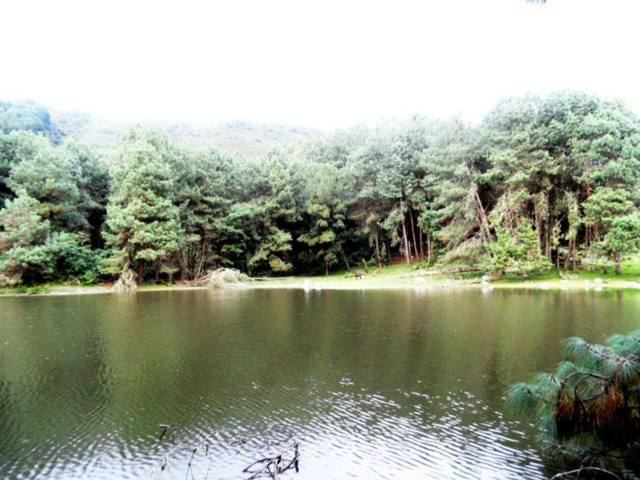

More places in this region
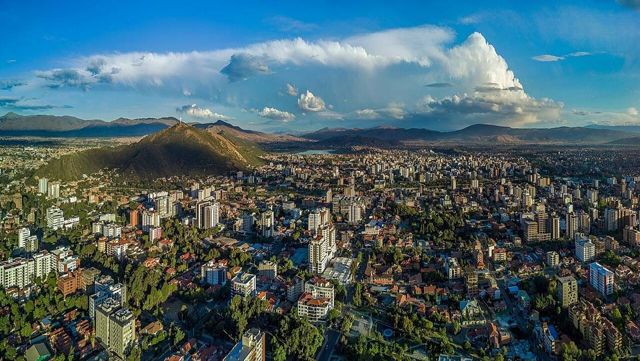 CochabambaThe “city of eternal spring” and the food capital of the country.
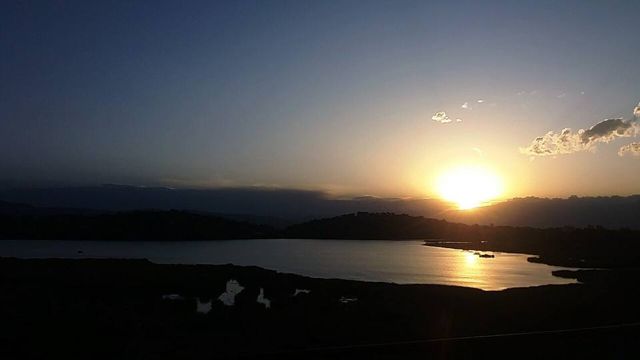 Laguna AlalayA large lagoon in the heart of Cochabamba, a bird refuge below the hills.
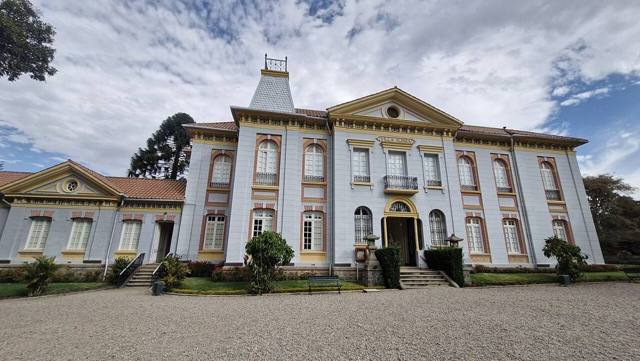 Pairumani and Villa AlbinaThe villa of tin baron Simón Patiño, its gardens, and the start of a trail to the Tunari.
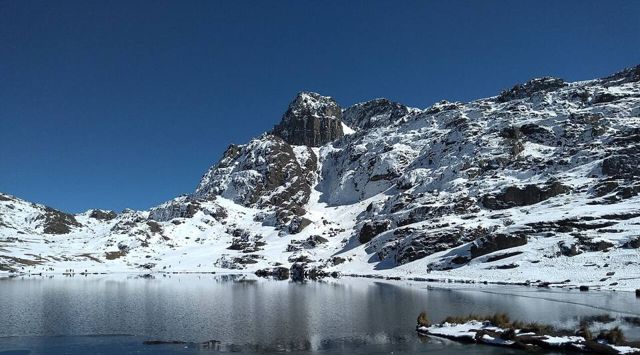 Tunari National ParkThe mountains right above the city: high lagoons and the Tunari summit (5,035 m).
- Apote and its twin waterfallsA mountain valley above Tiquipaya, with two waterfalls side by side and trails towards the Tunari.
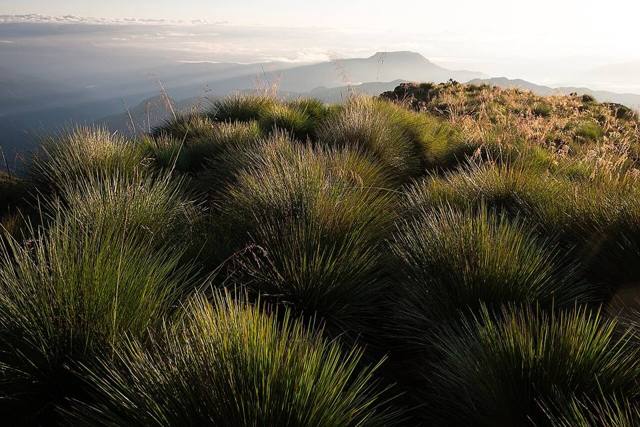 YungapampaA refuge above a sea of clouds, on the north side of the Tunari, Andean bear country.
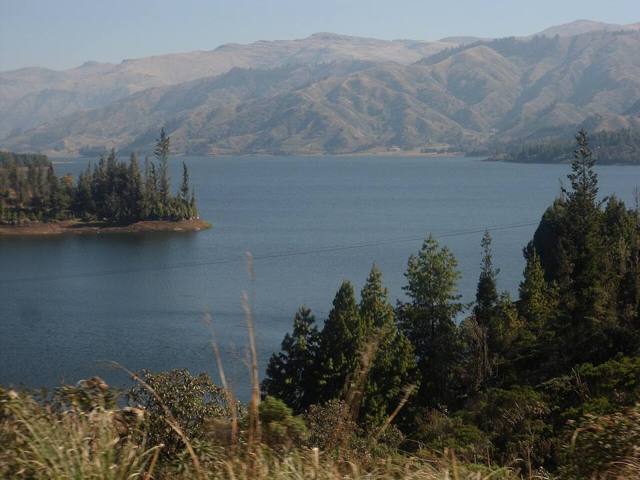 Laguna CoraniA large reservoir among pine forests and mountains, known for its trout.
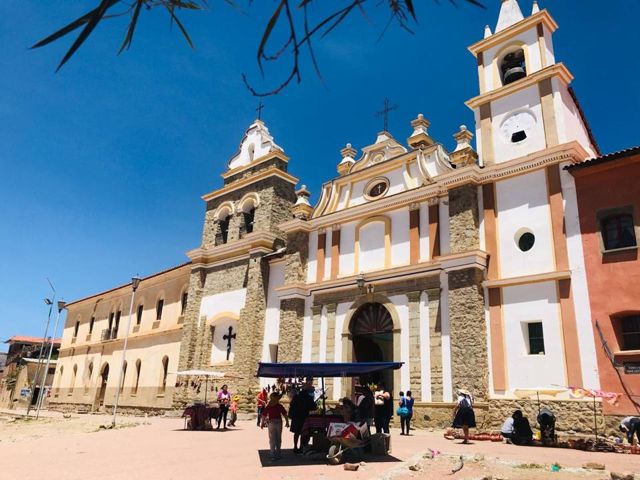 Valle Alto: Tarata and ClizaColonial valley villages, markets and chicha.
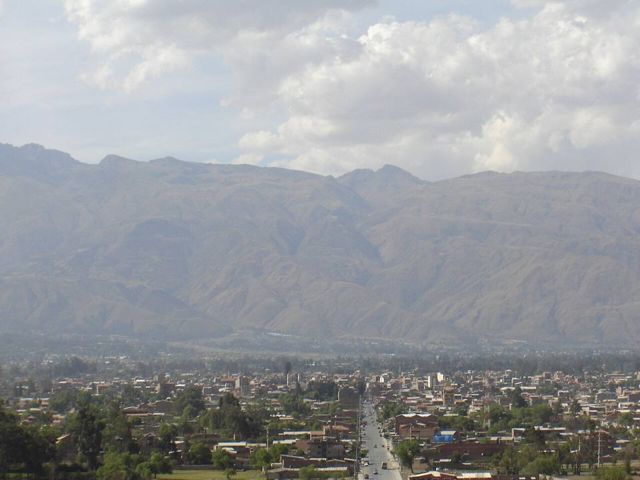 Quillacollo and Inca RakayInca ruins perched above Sipe Sipe, and Quillacollo, home of the Urkupiña festival.
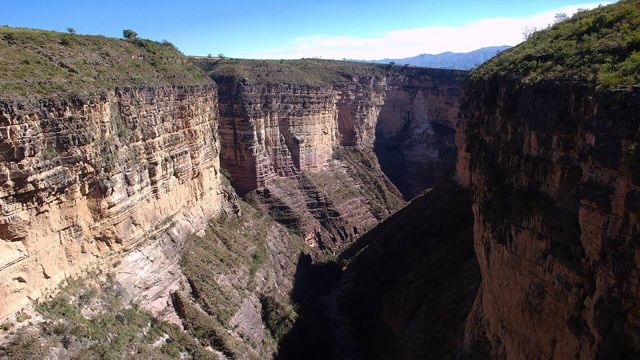 Torotoro National ParkDinosaur footprints, a spectacular canyon and the Umajalanta cave.
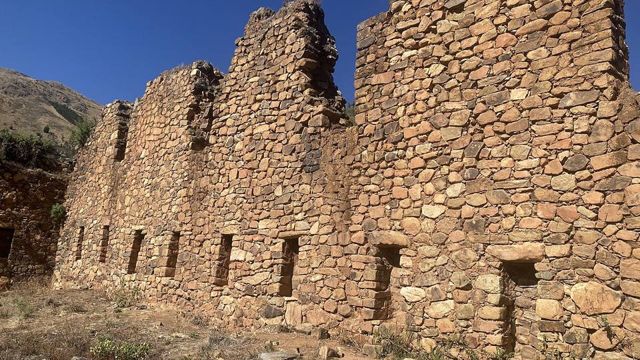 IncallajtaThe largest Inca site in Bolivia, in a remote valley.
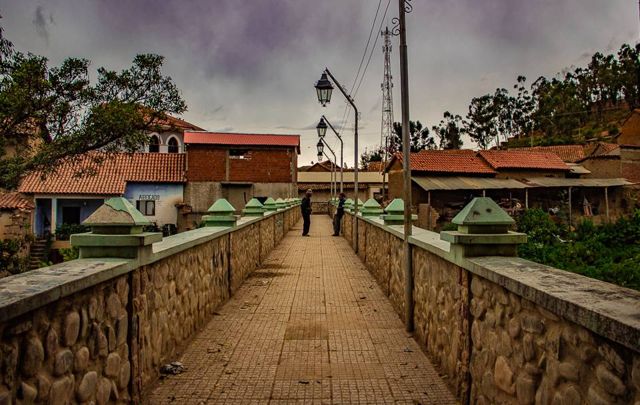 TotoraA small, well-preserved colonial village on the old road to Santa Cruz.
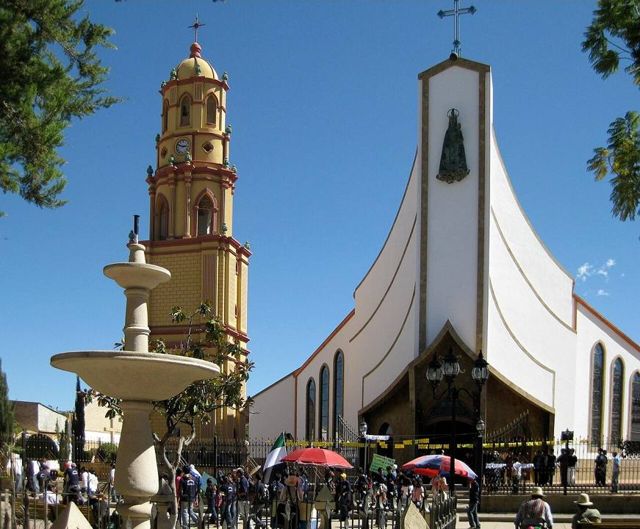 AiquileBolivia's national charango capital, halfway between Cochabamba and Sucre.
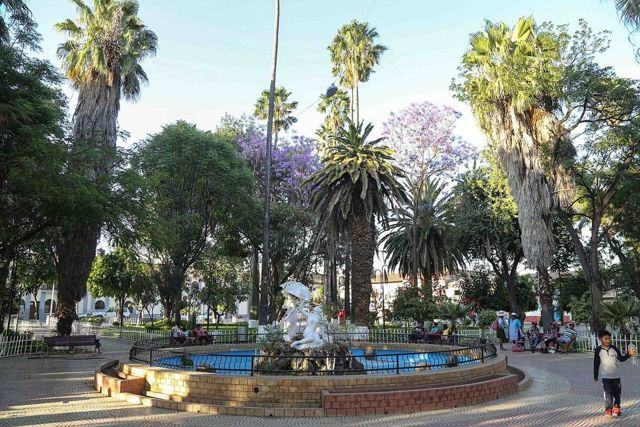 MizqueA colonial village in a warm valley, home of the red-fronted macaw.