Tunari National Park
Cochabamba Department · Nature and hiking
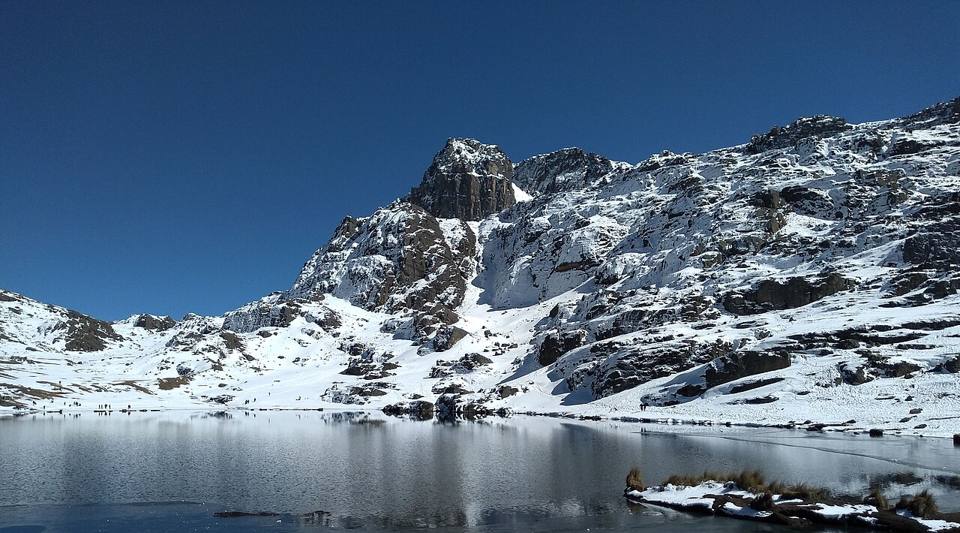
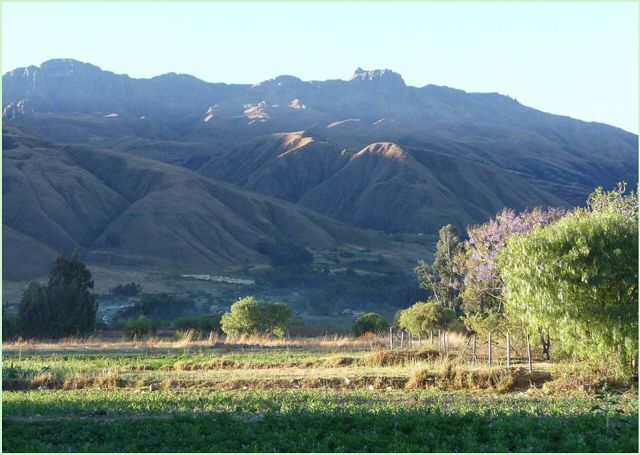
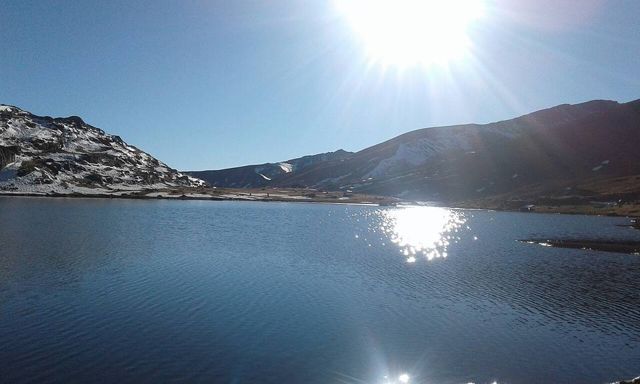
Right above the city, the Tunari range climbs past 5,000 m. In a single day you go from the eucalyptus of the valley to high-altitude lagoons with grazing llamas, with the whole Cochabamba valley at your feet. A great first hike to test your legs at altitude.
4,200 maltitude
1 dayto spend there
High altitude. Above 3,500 m, altitude sickness (soroche) is common. Arrive gradually, drink plenty and take it slow on the first day.
Things to do
- Hike to the lagoons (Laguna Wara Wara, Lagunas de Tunari)
- Climb Cerro Tunari if you're keen (long day)
- Views over the whole Cochabamba valley
What to eat
- SilpanchoA thin breaded beef cutlet on rice and potatoes, topped with a fried egg and a tomato and onion salad. THE Cochabamba dish.
- Quinoa soupA hot soup of quinoa and vegetables, served in refuges and high-altitude comedores. Perfect when it's cold.
Tip. Day trip from Cochabamba, best with a guide or a 4x4. A good acclimatisation test.
How to get to Tunari Park
Cochabamba Road (bus, car) · 1 to 2 h
4x4 taxi or guided trip. The tracks climb straight up north of the city.
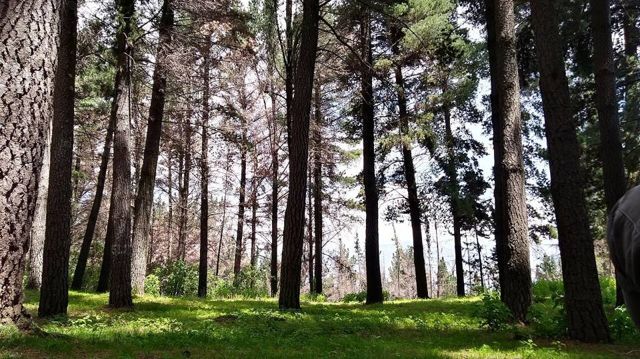
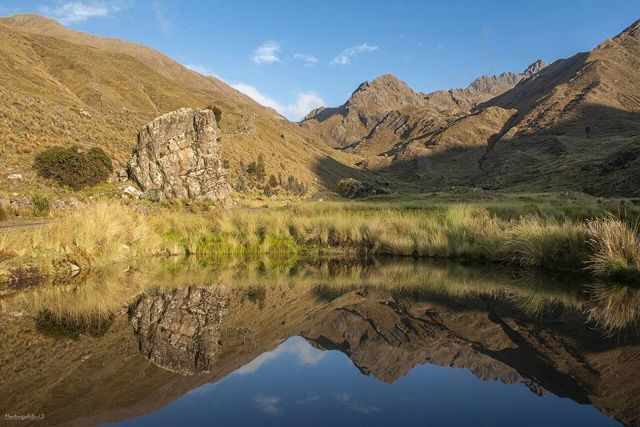
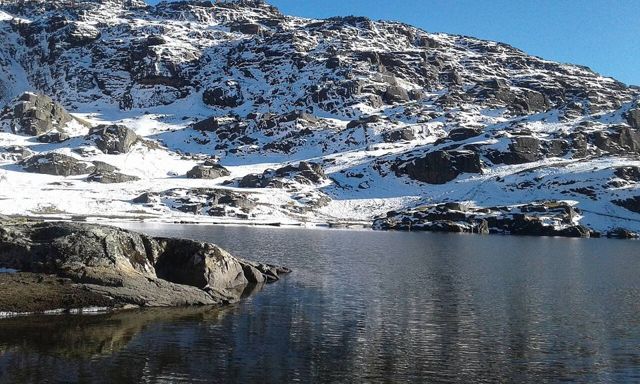
Photos of Tunari National Park





More places in this region
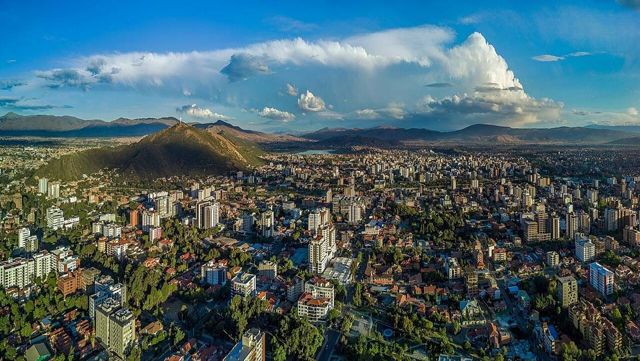 CochabambaThe “city of eternal spring” and the food capital of the country.
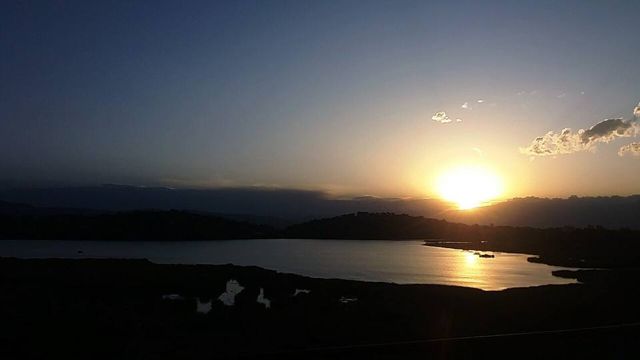 Laguna AlalayA large lagoon in the heart of Cochabamba, a bird refuge below the hills.
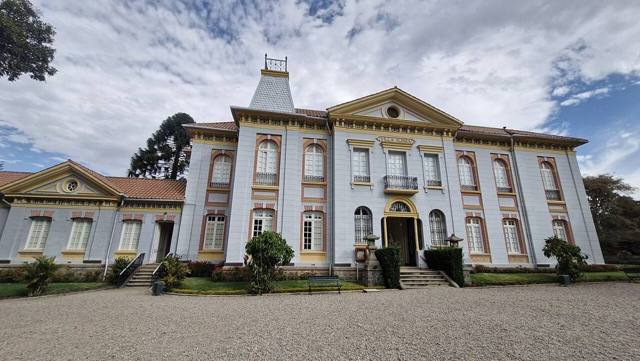 Pairumani and Villa AlbinaThe villa of tin baron Simón Patiño, its gardens, and the start of a trail to the Tunari.
- Apote and its twin waterfallsA mountain valley above Tiquipaya, with two waterfalls side by side and trails towards the Tunari.
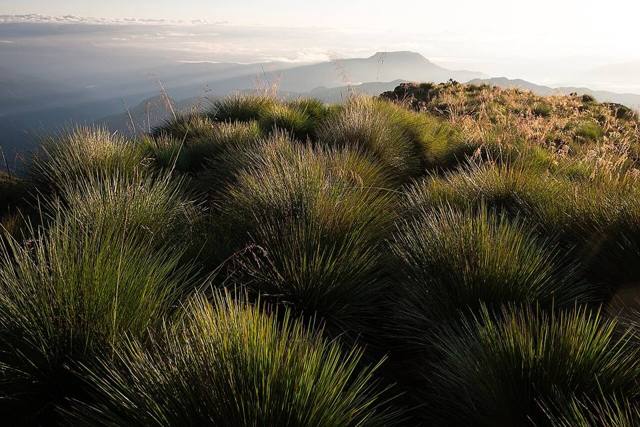 YungapampaA refuge above a sea of clouds, on the north side of the Tunari, Andean bear country.
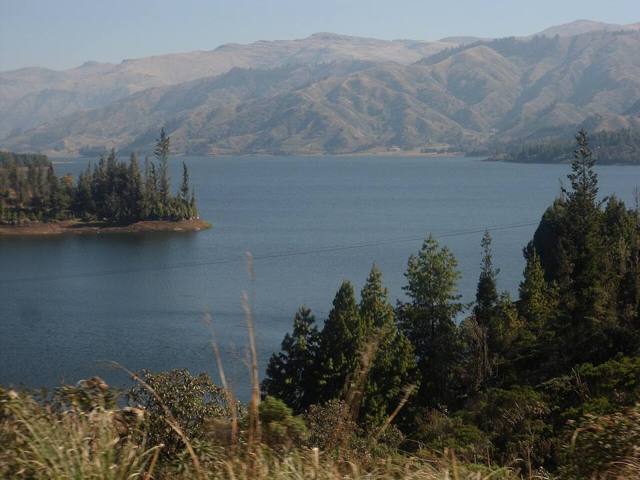 Laguna CoraniA large reservoir among pine forests and mountains, known for its trout.
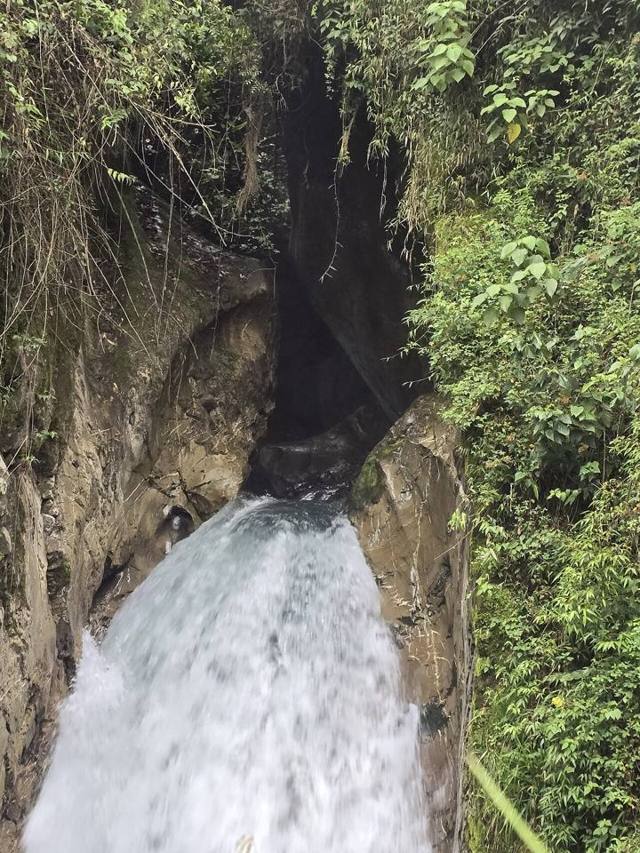 IncachacaA cloud forest at the edge of the Chapare, with an Inca bridge, waterfalls and an old power plant.
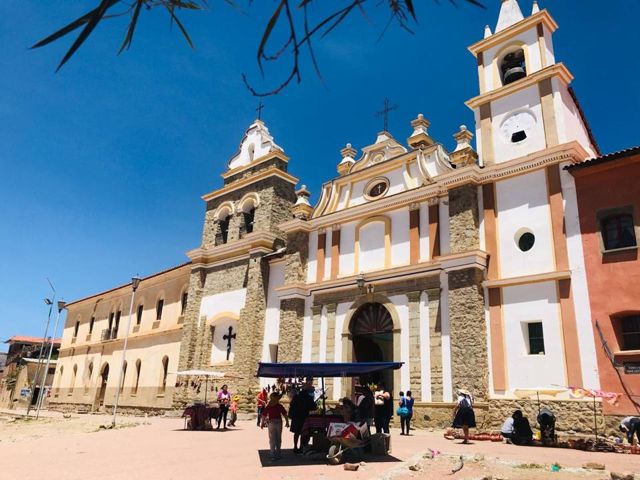 Valle Alto: Tarata and ClizaColonial valley villages, markets and chicha.
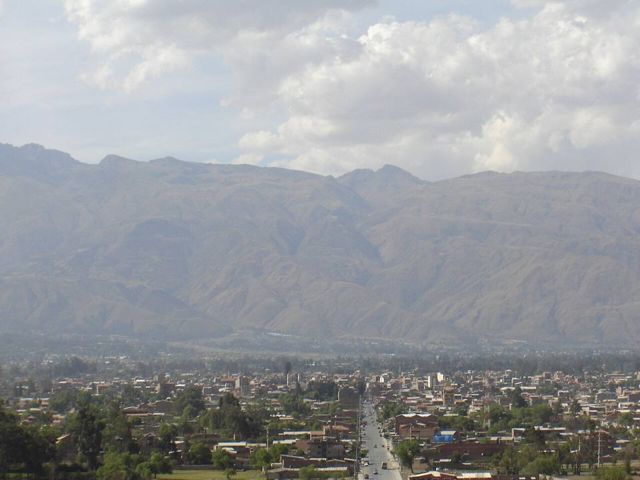 Quillacollo and Inca RakayInca ruins perched above Sipe Sipe, and Quillacollo, home of the Urkupiña festival.
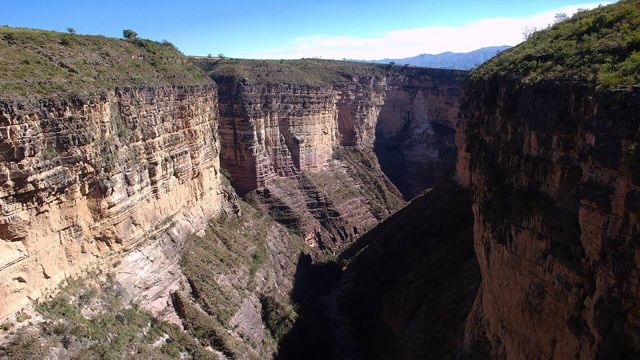 Torotoro National ParkDinosaur footprints, a spectacular canyon and the Umajalanta cave.
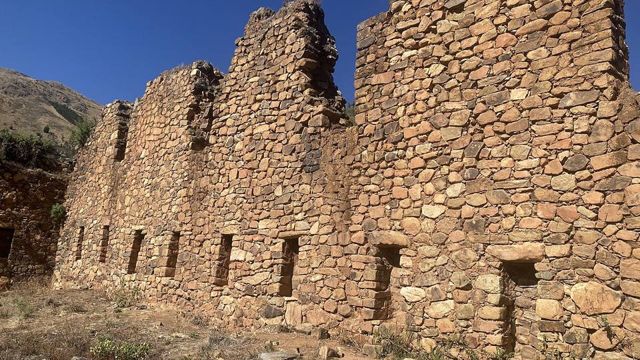 IncallajtaThe largest Inca site in Bolivia, in a remote valley.
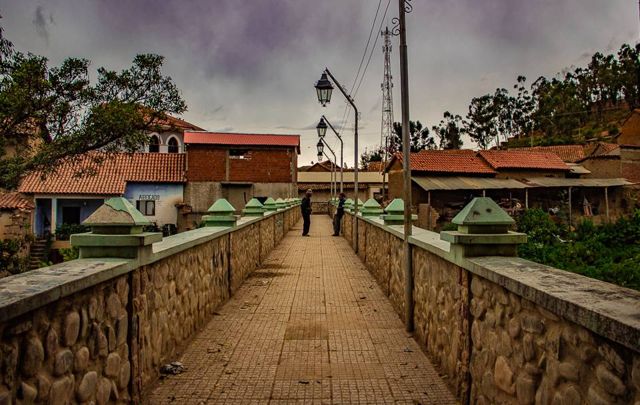 TotoraA small, well-preserved colonial village on the old road to Santa Cruz.
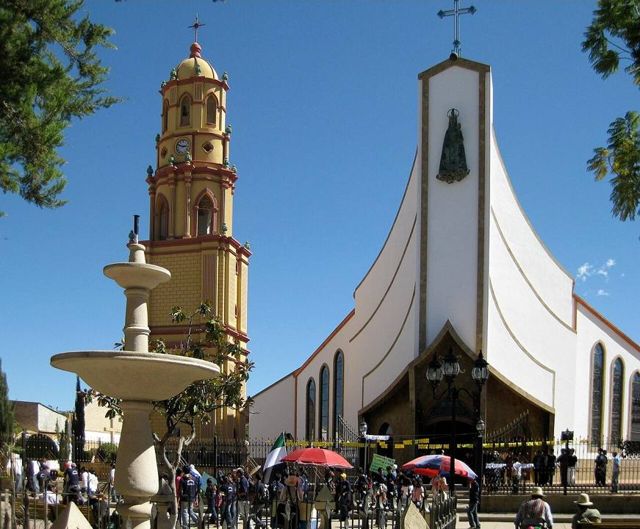 AiquileBolivia's national charango capital, halfway between Cochabamba and Sucre.
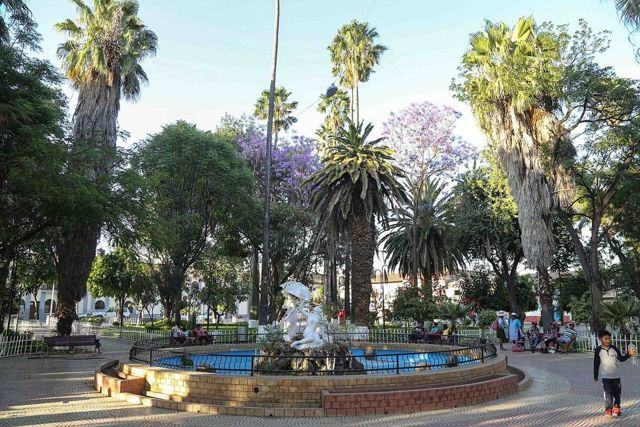 MizqueA colonial village in a warm valley, home of the red-fronted macaw.