Torotoro National Park
Potosí Department · Nature and hiking
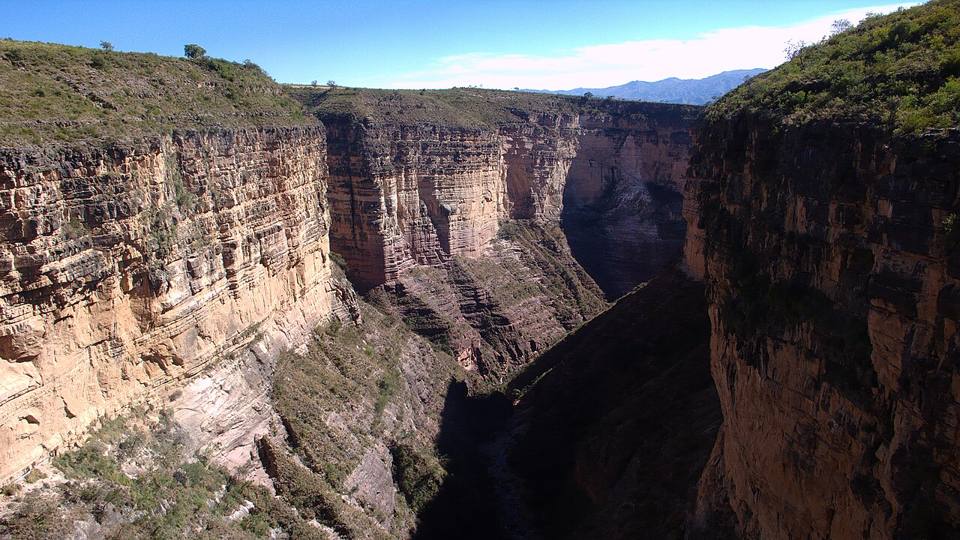
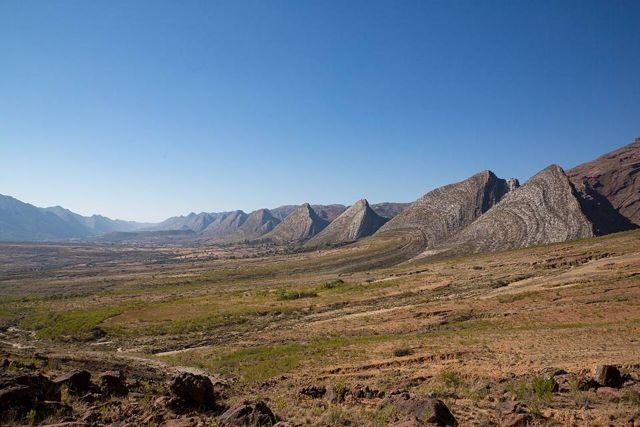
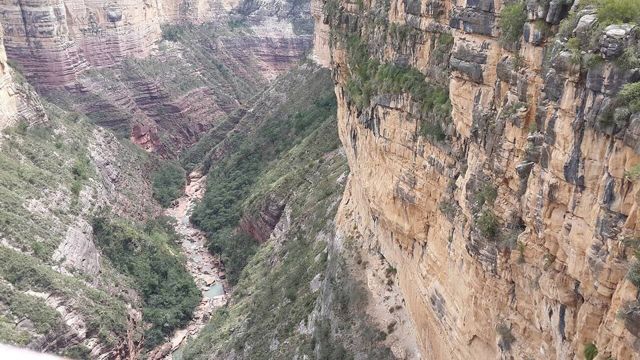
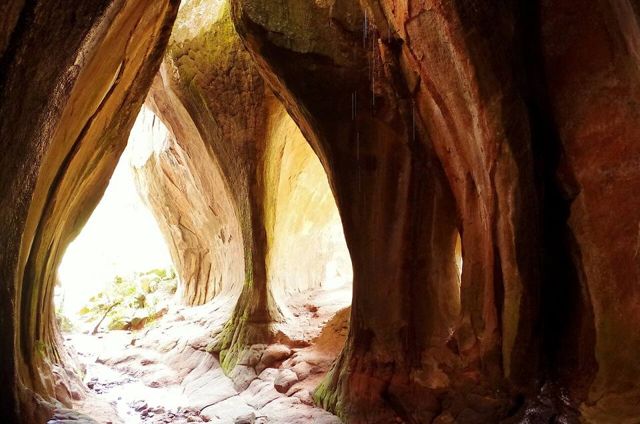
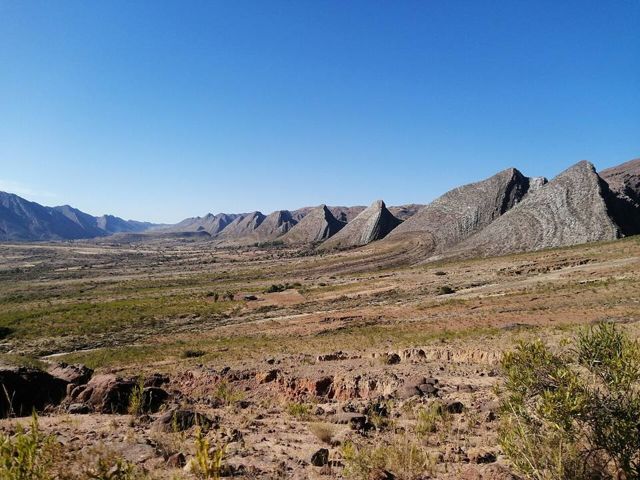
Torotoro is a small village at the end of a mountain road, in a landscape that looks straight out of the age of dinosaurs, and with good reason: hundreds of giant footprints are still visible in the rock. You climb down a 300 m canyon to a waterfall and crawl through a real cave with an underground river and blind fish. One of the most spectacular adventures in the country, a few hours from Cochabamba.
2,720 maltitude
2 to 3 daysto spend there
Things to do
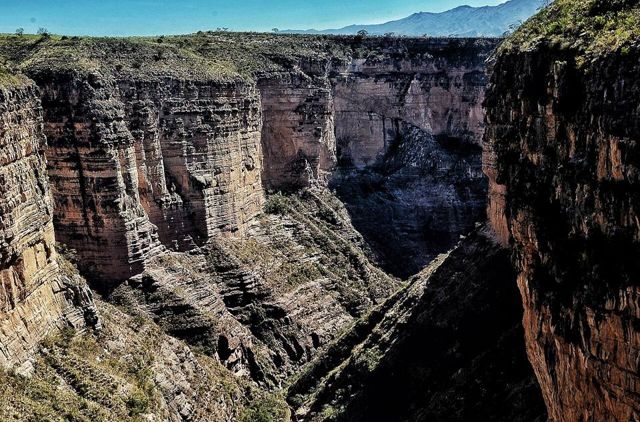
- Torotoro canyon and El Vergel waterfall
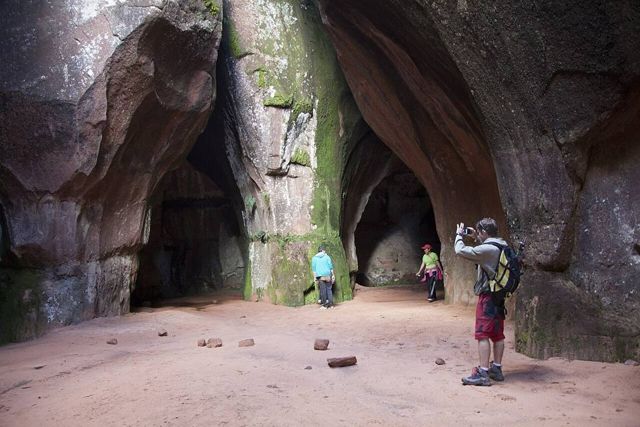
- Umajalanta cave (easy caving, underground river)
- Giant dinosaur footprints around the village
- Ciudad de Itas (rock formations)
What to eat
- Picante mixtoA plate of several meats (chicken, tongue, beef) in chilli sauce, with chuño and rice. For chilli lovers.
- SilpanchoA thin breaded beef cutlet on rice and potatoes, topped with a fried egg and a tomato and onion salad. THE Cochabamba dish.
- Sopa de maníCreamy peanut soup topped with pasta and fries. Comforting and very Bolivian.
Tip. A guide is required in the park (you'll find one in the village). Plan two nights there.
How to get to Torotoro
Cochabamba Road (bus, car) · 4 to 5 h
Daily minibuses from the south of Cochabamba (Av. República area), leaving early in the morning. Or by car or tour.
Check the times the day before: departures are not hourly.
Photos of Torotoro National Park






More places in this region
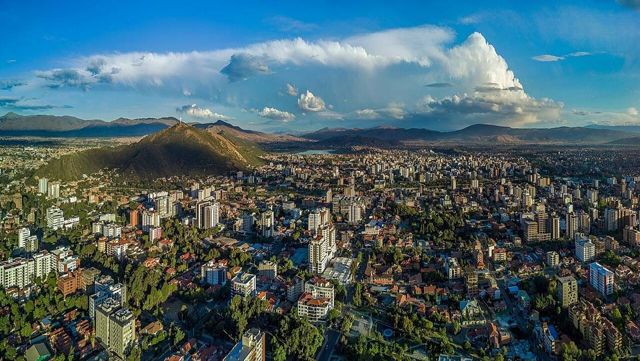 CochabambaThe “city of eternal spring” and the food capital of the country.
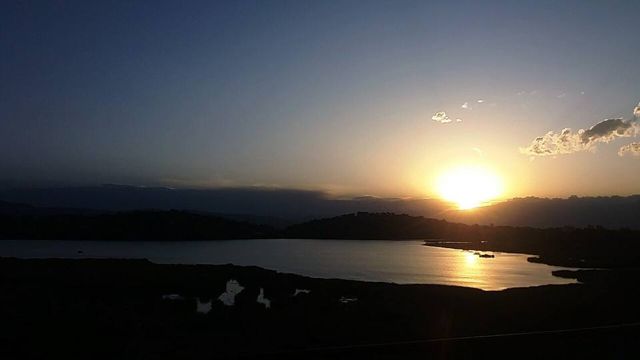 Laguna AlalayA large lagoon in the heart of Cochabamba, a bird refuge below the hills.
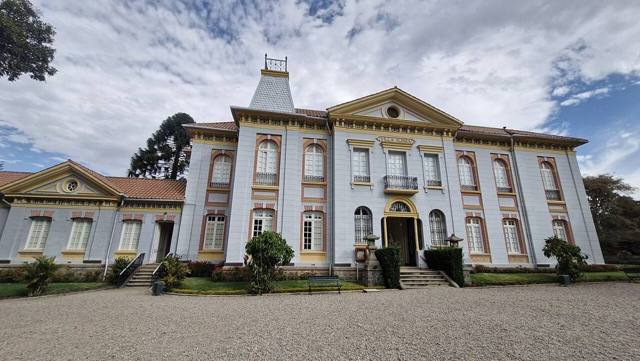 Pairumani and Villa AlbinaThe villa of tin baron Simón Patiño, its gardens, and the start of a trail to the Tunari.
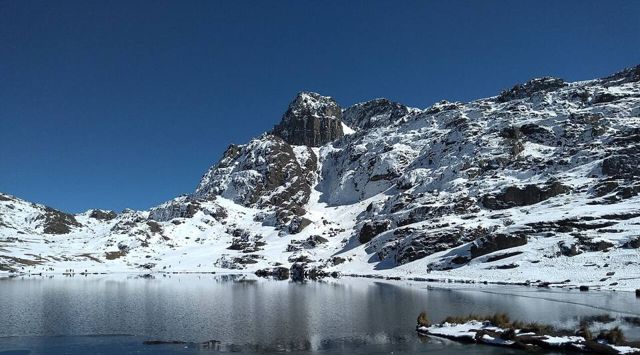 Tunari National ParkThe mountains right above the city: high lagoons and the Tunari summit (5,035 m).
- Apote and its twin waterfallsA mountain valley above Tiquipaya, with two waterfalls side by side and trails towards the Tunari.
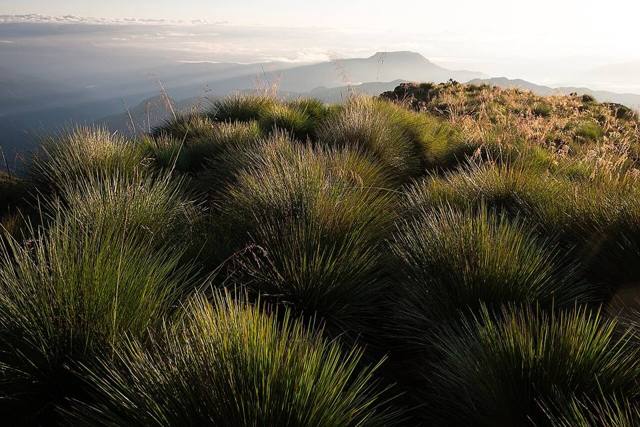 YungapampaA refuge above a sea of clouds, on the north side of the Tunari, Andean bear country.
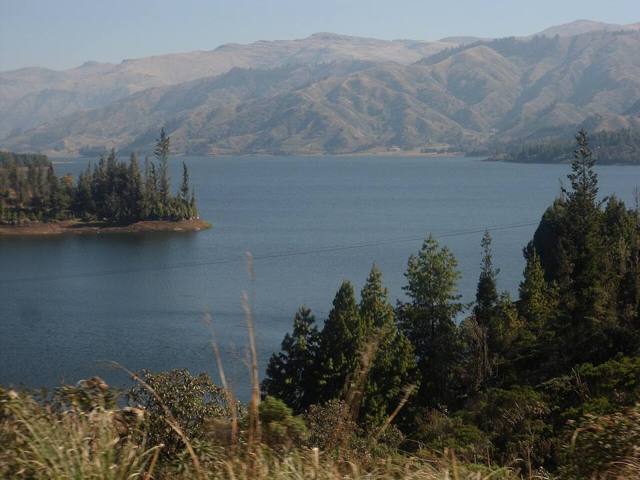 Laguna CoraniA large reservoir among pine forests and mountains, known for its trout.
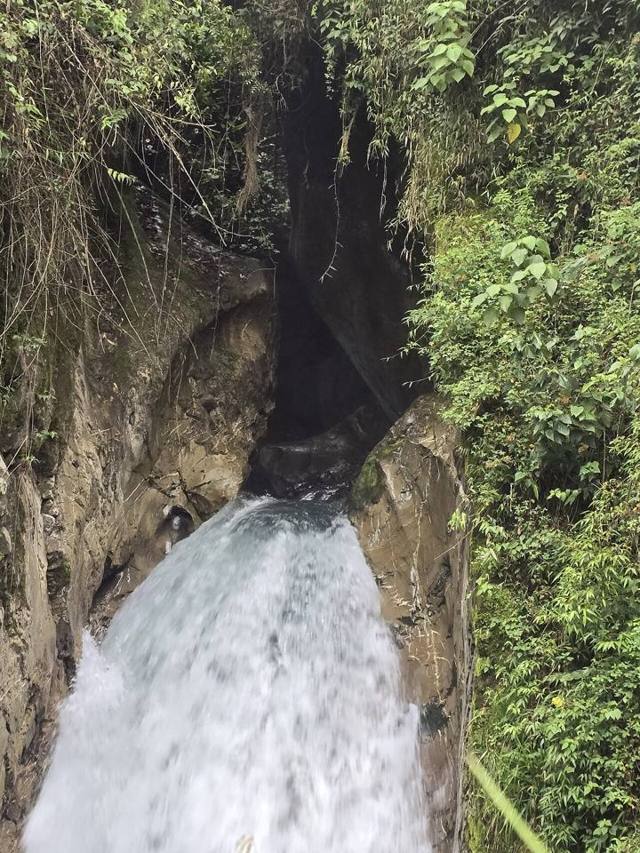 IncachacaA cloud forest at the edge of the Chapare, with an Inca bridge, waterfalls and an old power plant.
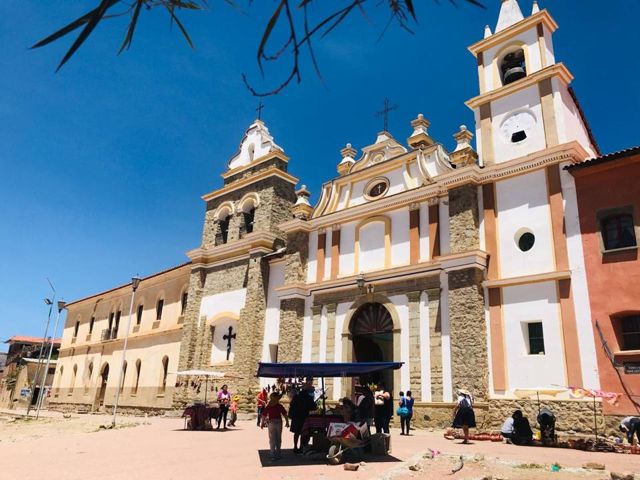 Valle Alto: Tarata and ClizaColonial valley villages, markets and chicha.
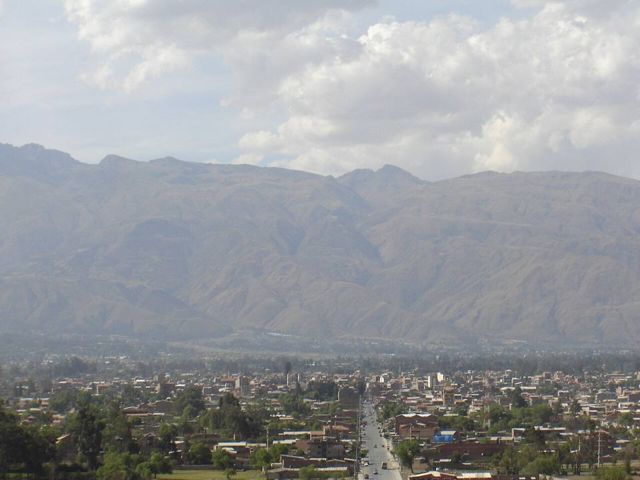 Quillacollo and Inca RakayInca ruins perched above Sipe Sipe, and Quillacollo, home of the Urkupiña festival.
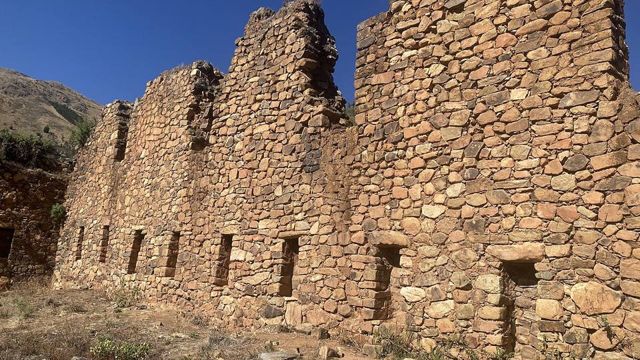 IncallajtaThe largest Inca site in Bolivia, in a remote valley.
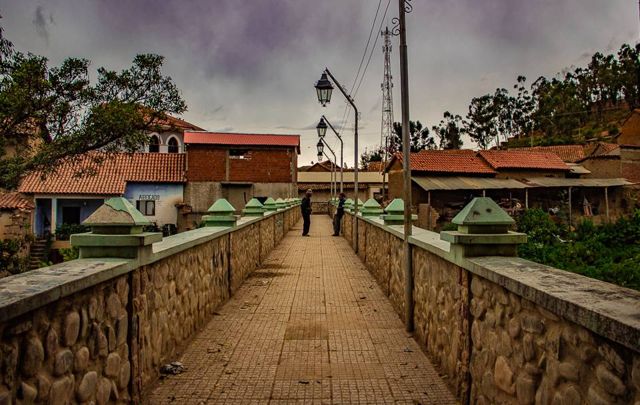 TotoraA small, well-preserved colonial village on the old road to Santa Cruz.
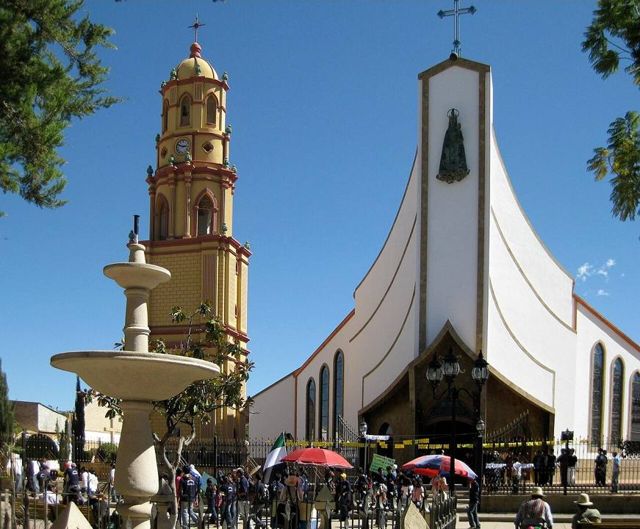 AiquileBolivia's national charango capital, halfway between Cochabamba and Sucre.
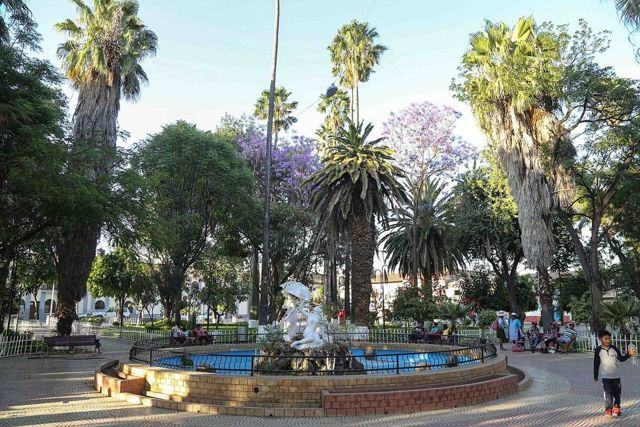 MizqueA colonial village in a warm valley, home of the red-fronted macaw.