Potosí
Potosí Department · Culture and history
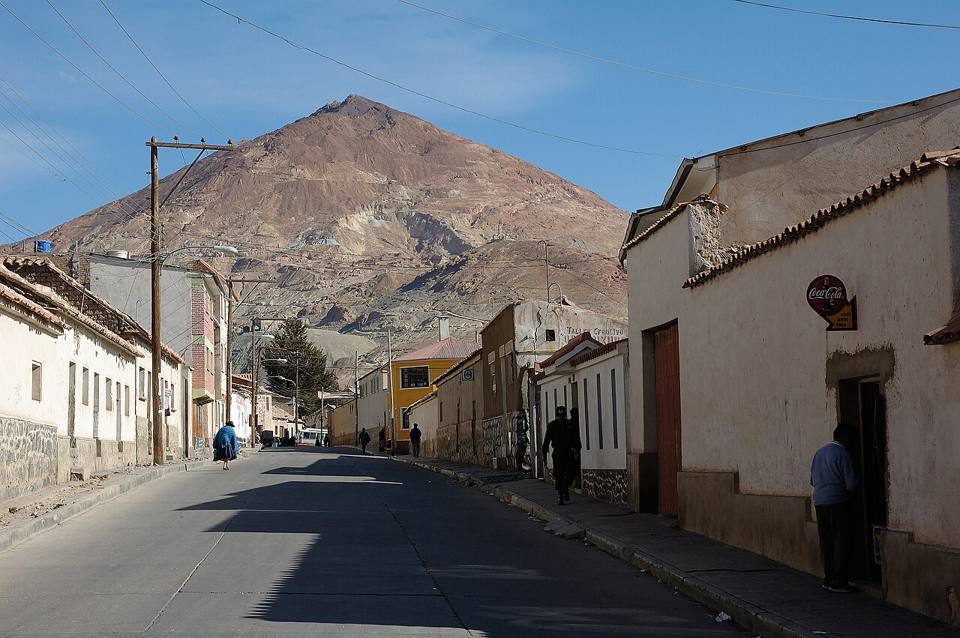
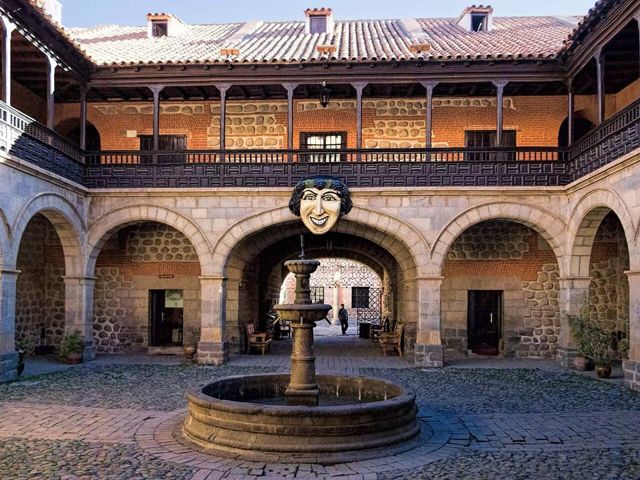
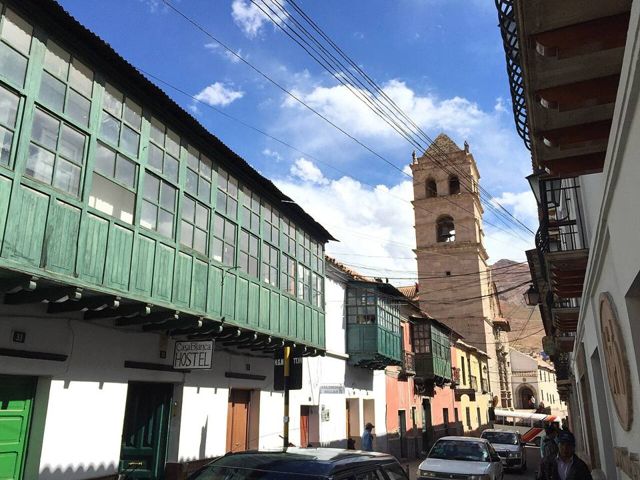
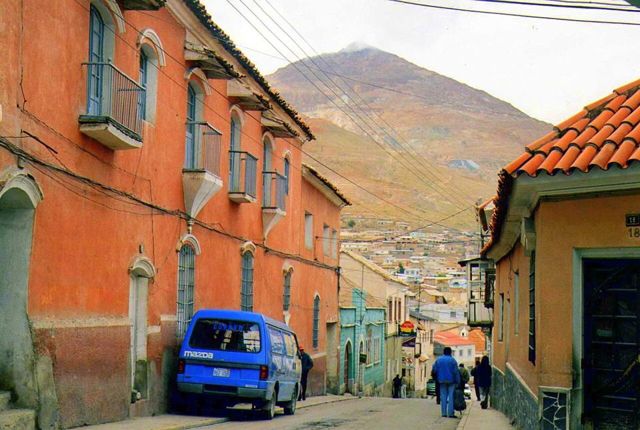
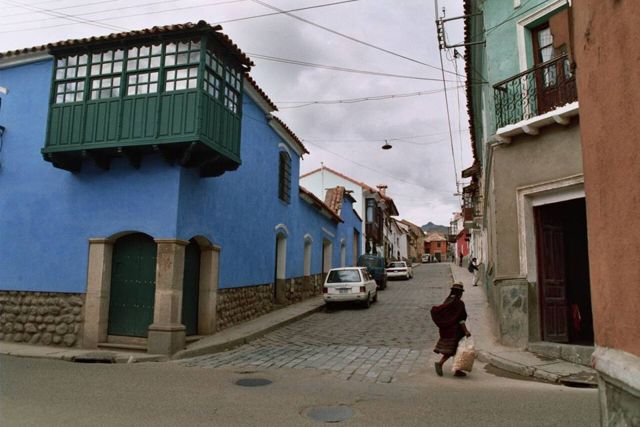
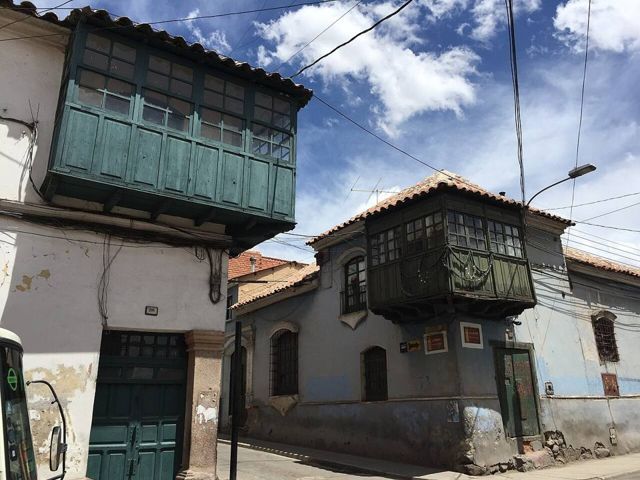
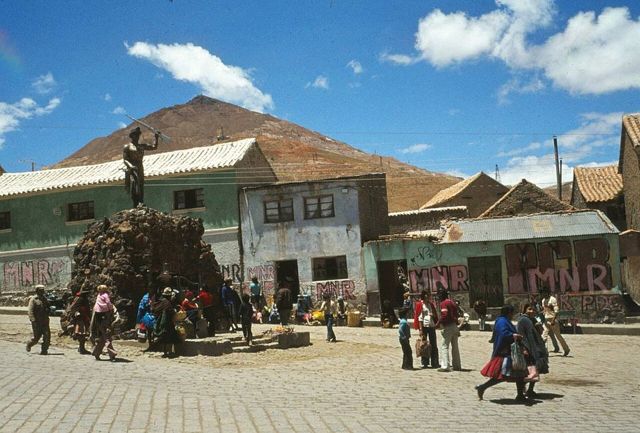
In the 17th century Potosí was one of the largest cities in the world, as populous as London at the time, thanks to the silver of Cerro Rico that made Spain rich. What remains is a superb colonial town, baroque churches and the Casa de la Moneda, where coins were minted. Visiting a mine, still worked in very harsh conditions, is a powerful and moving experience.
4,067 maltitude
1 to 2 daysto spend there
High altitude. Above 3,500 m, altitude sickness (soroche) is common. Arrive gradually, drink plenty and take it slow on the first day.
Things to do
- Casa Nacional de Moneda (the royal mint)
- Visit a cooperative mine in Cerro Rico (tough but unforgettable)
- Baroque churches and the Santa Teresa convent
What to eat
- KalapurkaPotosí's spicy corn soup, served bubbling thanks to a volcanic stone heated in the fire.
- SalteñaBolivia's pastry: slightly sweet dough with a juicy filling of meat, potato and olives. Eaten in the morning, without spilling the juice!
- Quinoa soupA hot soup of quinoa and vegetables, served in refuges and high-altitude comedores. Perfect when it's cold.
Tip. At 4,070 m it's one of the highest cities in the world: acclimatise first.
Also here
- UNESCO City of Potosí
- Festivals · UNESCO Ch'utillosAt the end of August, Potosí celebrates San Bartolomé and San Ignacio de Loyola with a great parade of dances from all over the country, mixing Andean and colonial traditions.
- Crafts and markets Potosí silverSilver jewellery and small objects, in the town that minted the Spanish empire's coins. Buy in shops, with a hallmark.
- Myths and legends El Tío of the mineDeep in the Cerro Rico mines, a horned statue guards the veins: the Tío, lord of the underworld. Miners offer him coca, alcohol and cigarettes so that he protects them and gives them ore.
How to get to Potosí
Casa de Moneda Road (bus, car) · 5 min on foot
One block from the main square (10 de Noviembre).
Ojo del Inca Road (bus, car) · 30 min
Minibus to Tarapaya, then 15 to 20 min on foot to the lagoon.
Sucre Road (bus, car) · 3 h
Buses or shared taxis (faster) from the Potosí bus terminal.
Cotagaita Road (bus, car) · 3 to 4 h
Potosí – Tupiza or Villazón bus (get off at Cotagaita).
Uyuni Road (bus, car) · 4 h
Frequent buses.
Camargo Road (bus, car) · 4 to 5 h
Potosí – Tarija bus (get off at Camargo).
Oruro Road (bus, car) · 5 to 6 h
Frequent buses.
Tarija Road (bus, car) · 7 to 8 h
Day or night buses.
La Paz Road (bus, car) · 8 to 10 h (overnight)
Night bus.
Photos of Potosí






More places in this region
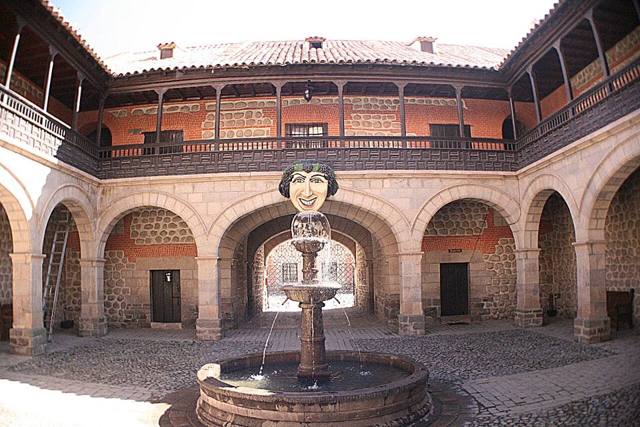 Casa Nacional de Moneda (Potosí)The royal mint where Cerro Rico silver became coins, now Bolivia's great museum.
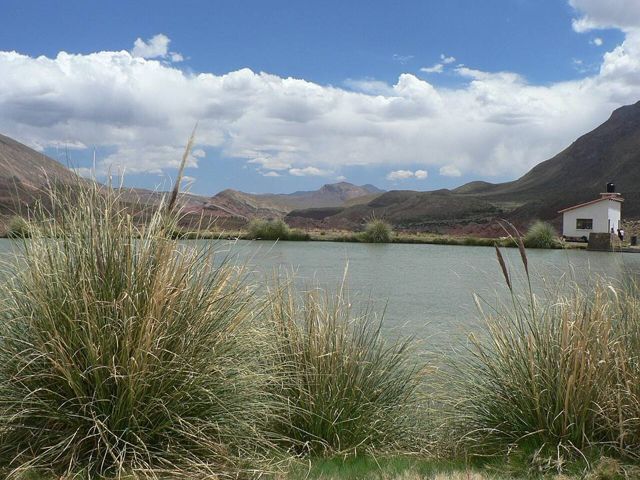 Ojo del Inca (Tarapaya)A perfectly round warm-water lagoon, 30 minutes from Potosí.
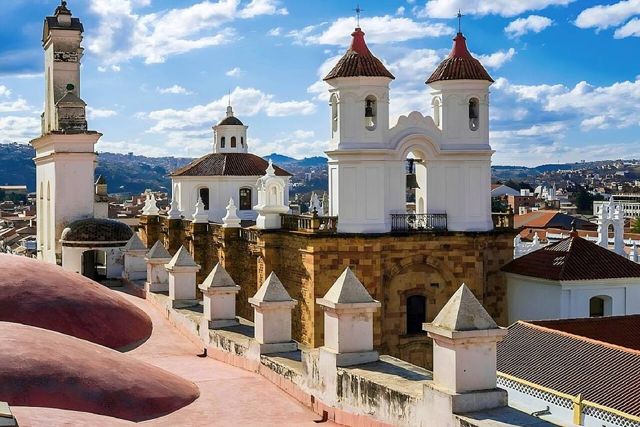 SucreThe “white city” and constitutional capital: the most beautiful colonial city in the country.
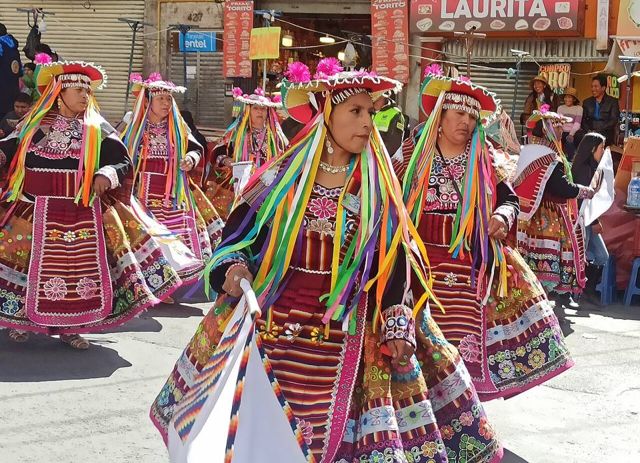 TarabucoBig Sunday market of the Yampara communities, with remarkable textiles.
- CandelariaA Yampara village beyond Tarabuco: an old hacienda, weaving and rural tourism.
- ZudáñezA small valley town linked to the wars of independence, east of Sucre.
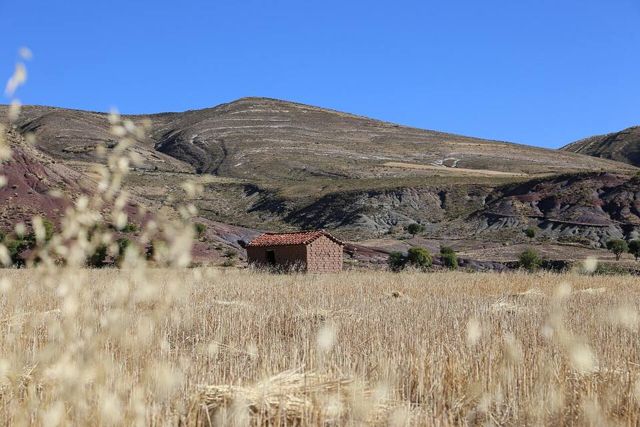 Maragua CraterA giant syncline in reds and purples, with Jalq'a weaving villages.