Casa Nacional de Moneda (Potosí)
Potosí Department · Culture and history
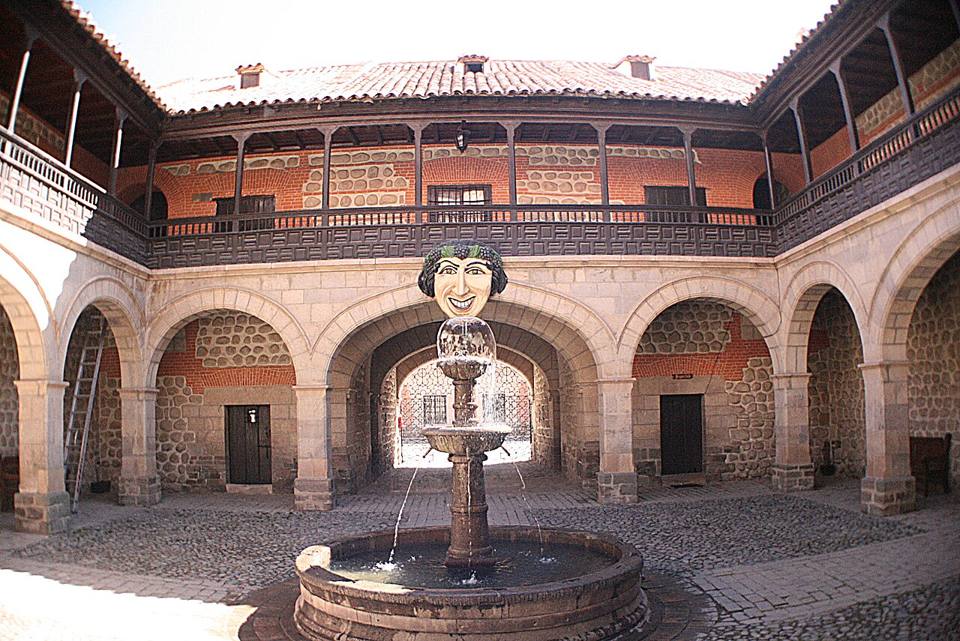
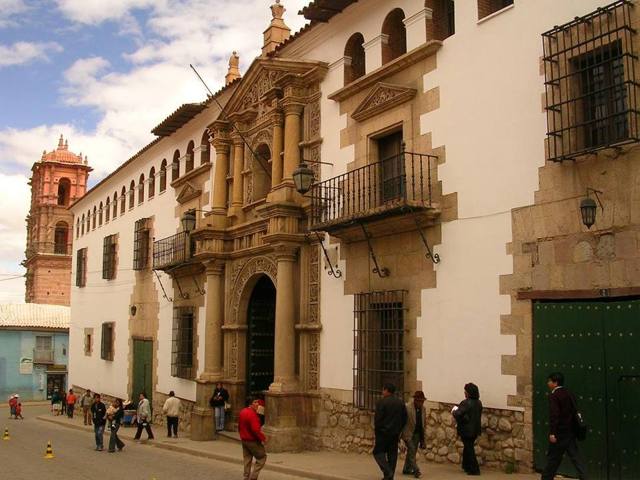
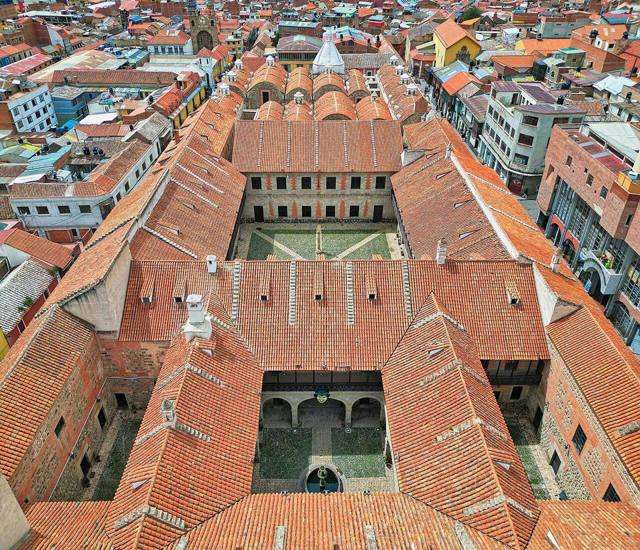
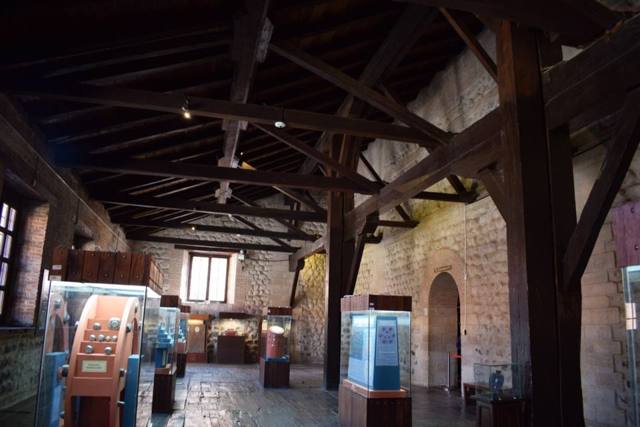
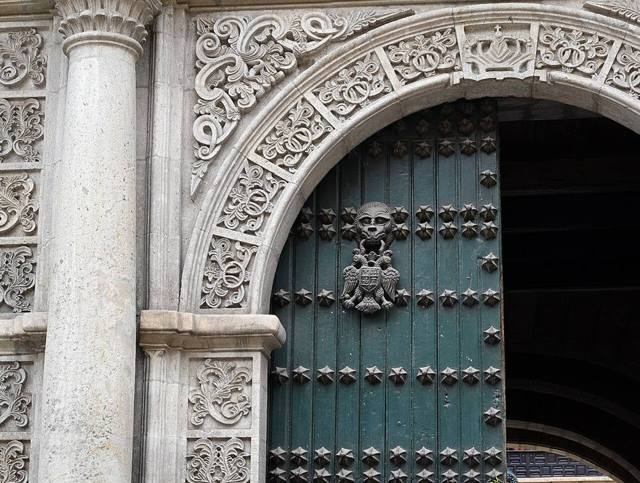
Built between 1753 and 1773 to mint the silver of the Cerro Rico, the Potosí mint is one of the largest civil buildings of colonial America. Its thick walls still hold the wooden rolling mills once turned by mules, the smelting furnaces and three centuries of coins. There is colonial painting too (including the famous Virgin of the Cerro) and, in the courtyard, the mascarón, a large smiling face that became the symbol of the city.
4,067 maltitude
0 to 1 dayto spend there
High altitude. Above 3,500 m, altitude sickness (soroche) is common. Arrive gradually, drink plenty and take it slow on the first day.
Things to do
- Guided tour of the minting rooms and the wooden rolling mills
- The Virgin of the Cerro and the Potosí school of painting
- The mascarón in the inner courtyard
What to eat
Tip. Guided tours only (about 2 h, in Spanish or English depending on the time), usually closed on Mondays. The rooms are cold, so bring a jacket.
How to get to Casa de Moneda
Potosí Road (bus, car) · 5 min on foot
One block from the main square (10 de Noviembre).
Photos of Casa Nacional de Moneda (Potosí)




More places in this region
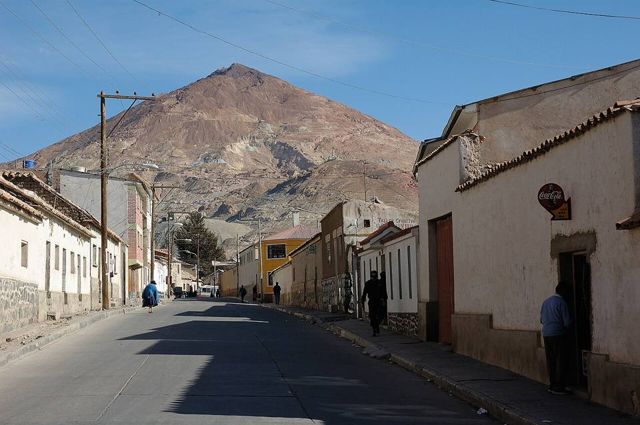 PotosíOnce the richest city in the world thanks to the silver of Cerro Rico. UNESCO-listed.
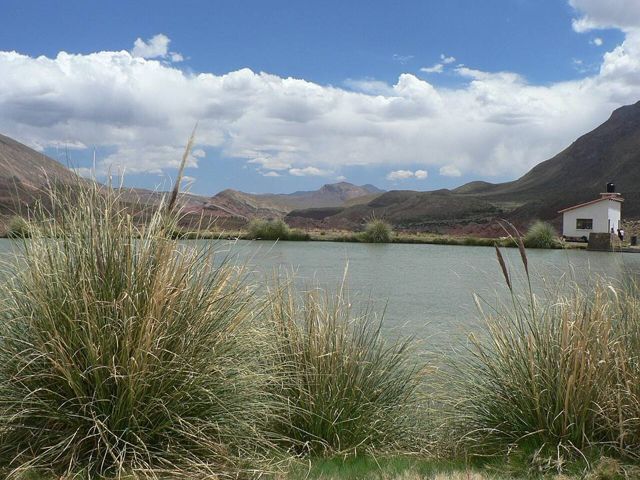 Ojo del Inca (Tarapaya)A perfectly round warm-water lagoon, 30 minutes from Potosí.
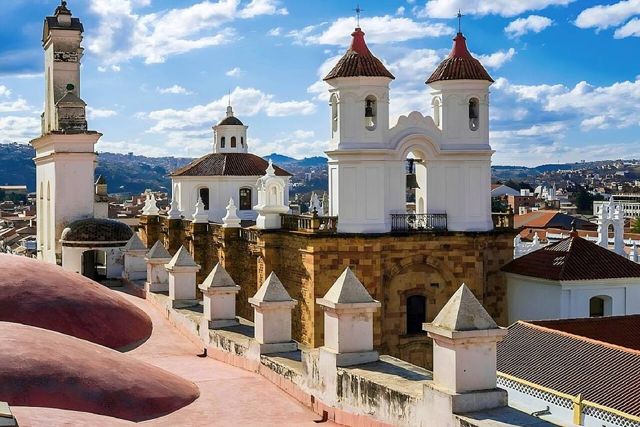 SucreThe “white city” and constitutional capital: the most beautiful colonial city in the country.
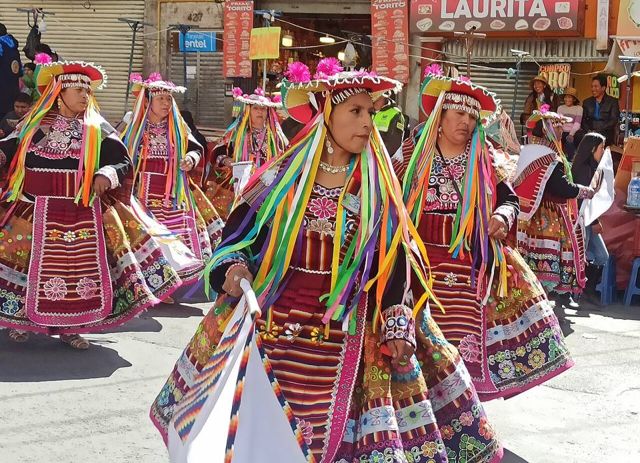 TarabucoBig Sunday market of the Yampara communities, with remarkable textiles.
- CandelariaA Yampara village beyond Tarabuco: an old hacienda, weaving and rural tourism.
- ZudáñezA small valley town linked to the wars of independence, east of Sucre.
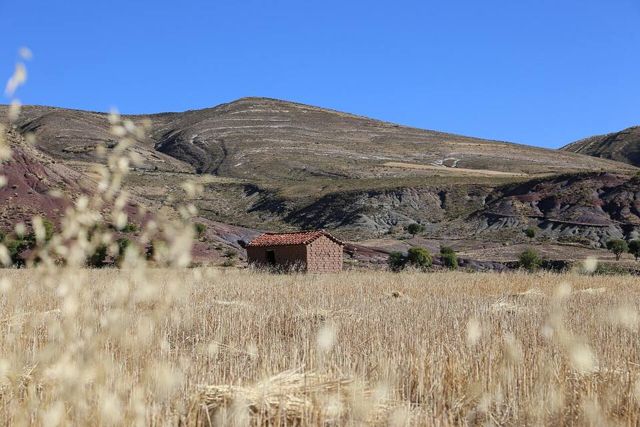 Maragua CraterA giant syncline in reds and purples, with Jalq'a weaving villages.