Obrajes and Capachos hot springs
Oruro Department · Nature and hiking
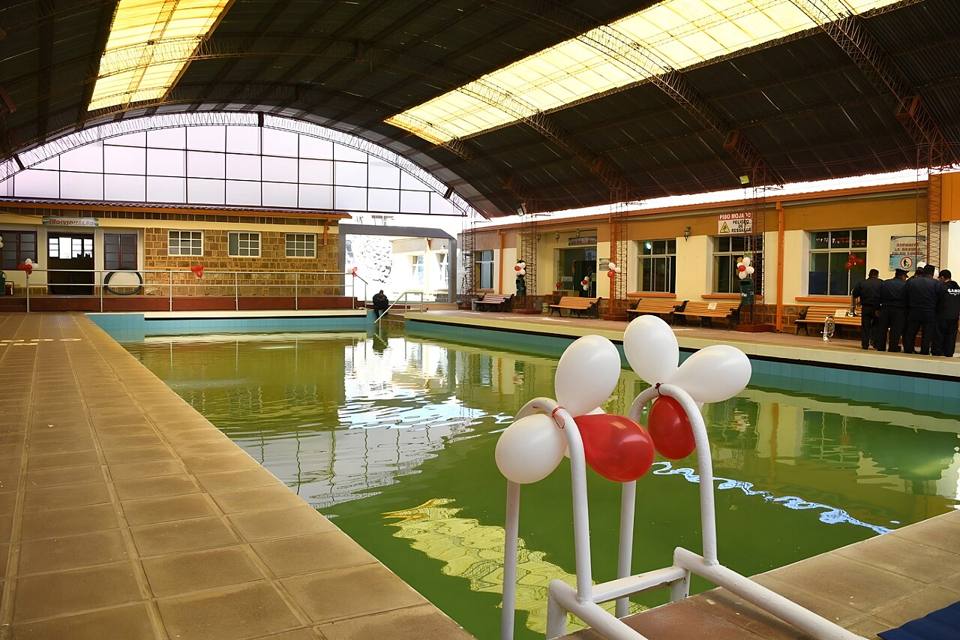
North of Oruro, the Altiplano lets out warm water that has been channelled into pools and private baths. At Obrajes, and at Capachos closer to town, you soak in hot water facing the hills, even when the air is freezing. A simple outing that people from Oruro love at weekends.
3,780 maltitude
0 to 1 dayto spend there
High altitude. Above 3,500 m, altitude sickness (soroche) is common. Arrive gradually, drink plenty and take it slow on the first day.
Things to do
- Obrajes pools and private baths
- Capachos baths, right next to Oruro
- Warming up after a cold Altiplano night
What to eat
- CharqueDried, shredded llama or beef, fried and served with corn, egg and cheese.
- Sajta de polloChicken in a yellow ají amarillo chilli sauce, with chuño and potato. Typical of the Altiplano.
Tip. Minibus from Oruro. Bring a towel and swimsuit; quieter on weekdays.
How to get to Obrajes
Oruro Road (bus, car) · 30 to 45 min
Minibus from Oruro.
More places in this region
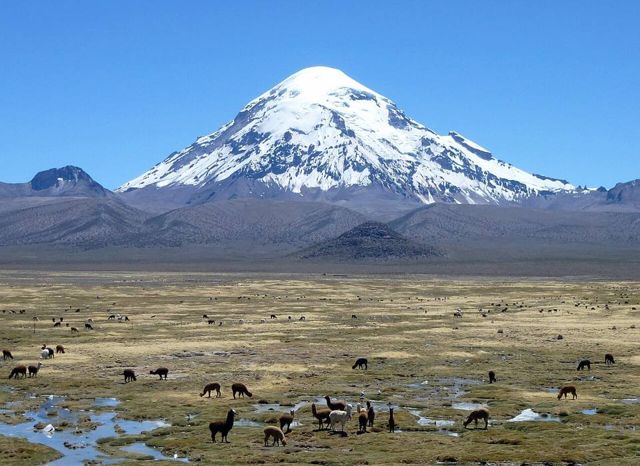 Sajama National ParkBolivia's highest peak (6,542 m), geysers, hot springs and llamas.
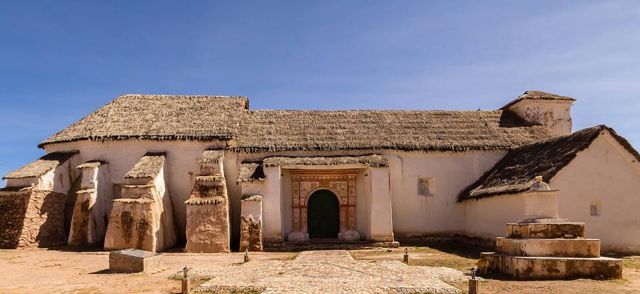 Curahuara de CarangasThe “Sistine Chapel of the Altiplano”: an adobe church covered in murals.
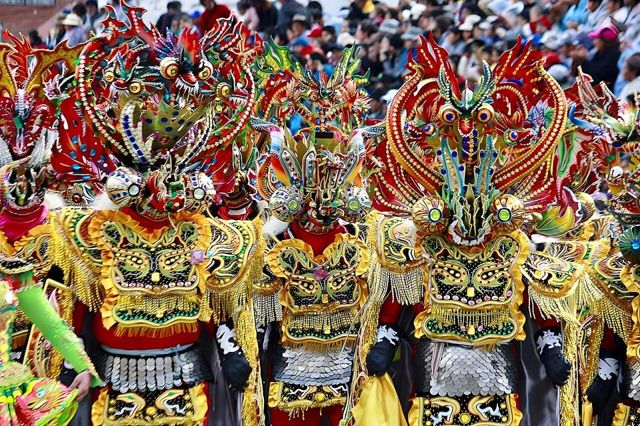 OruroAn Altiplano mining city, famous for its UNESCO-listed carnival. Starting point of the train to Uyuni.
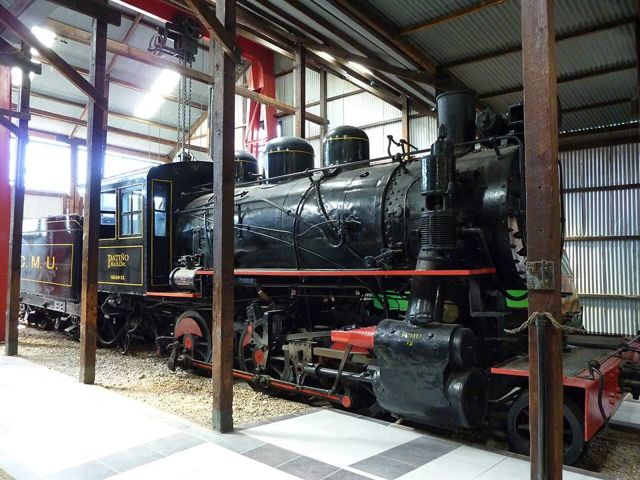 Machacamarca railway museumOld steam locomotives and the history of the mining railways, south of Oruro.
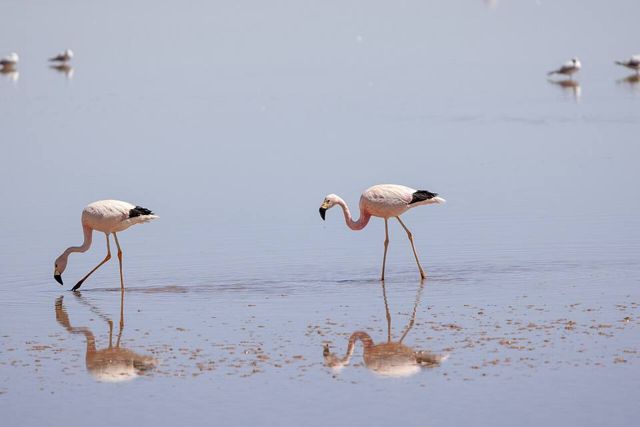 Lakes Uru Uru and PoopóShallow Altiplano lakes on Oruro's doorstep, visited by flamingos.
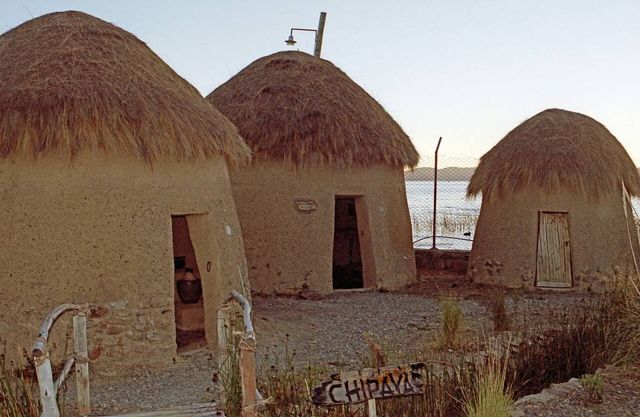 ChipayaVillage of the Uru-Chipaya, one of the oldest peoples of the Andes, with round earthen houses.
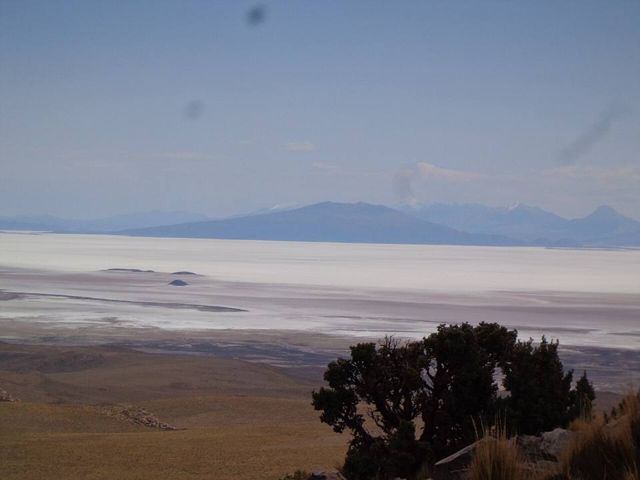 Coipasa Salt FlatBolivia's second-largest salt flat, wild and almost without visitors.
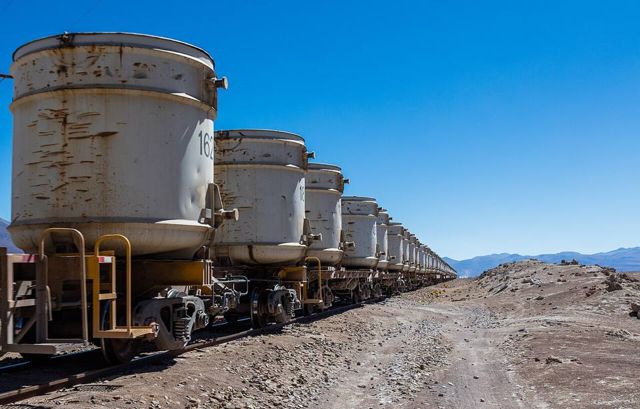 UyuniBase town for Salar tours, with a train cemetery on the edge of town.
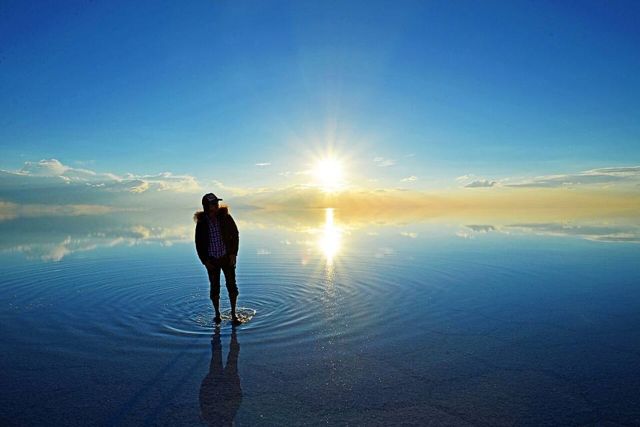 Salar de Uyuni + Sud Lípez (tour)The world's largest salt flat, then the colourful lagoons of the Sud Lípez. The highlight of many trips.
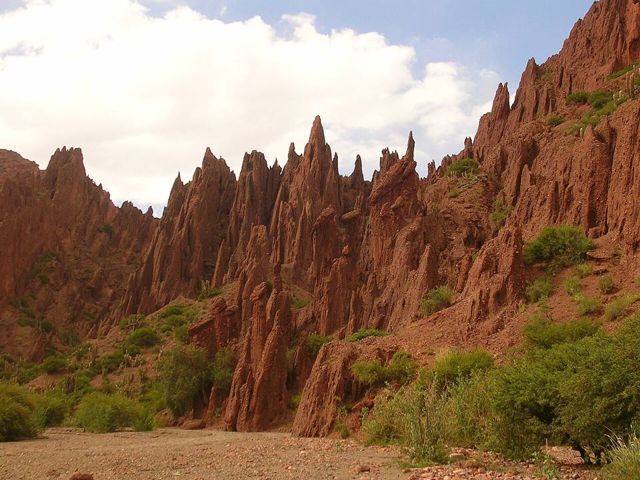 TupizaWild West scenery: red canyons, cacti and the last ride of Butch Cassidy.
- CotagaitaA small green town in a fruit-growing valley, on the road from Potosí to Villazón.
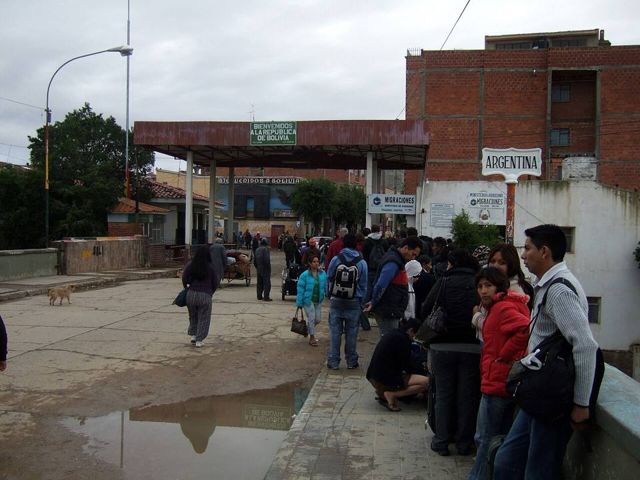 VillazónThe border with Argentina, facing La Quiaca: the crossing travellers use most.